Customer Loyalty Program Ideas: Types, Examples and How to Design One
Customer loyalty program ideas for brands in Indonesia: points, tiers, missions and O2O programs, how to choose one, and the metrics that prove it works.
In this article
A customer loyalty program rewards people for coming back. The best customer loyalty program ideas are simple: pick one behaviour you want more of, such as a second purchase or a store visit, and make the next reward feel close.
See our AR games and gamification service.
What Is a Customer Loyalty Program?
A customer loyalty program is a structured way to reward repeat behaviour. Customers earn something, such as points, status, stamps or access, every time they buy, visit or take part. Over time the program turns one-off buyers into regulars, and it gives the brand first-party data about who those regulars are.
Types of Loyalty Programs
| Type | How it works | Best for |
|---|---|---|
| Points | Earn points per purchase, swap them for rewards | Frequent, lower-value purchases |
| Tiers | Spend more to unlock better status and perks | Brands with a clear top-customer group |
| Paid membership | Pay a fee for ongoing benefits | Services people use every month |
| Cashback or discount | A share of spend comes back as credit | Price-sensitive categories |
| Missions and collections | Complete tasks, collect items, fill a progress bar | Younger audiences and campaigns |
| O2O | Online and offline actions earn on one ID | Brands with stores, venues or events |
Customer Loyalty Program Ideas That Work
- Missions instead of plain points. "Visit two stores this month" gives people a reason to act now.
- A first reward within reach. If the first reward needs ten purchases, most people never get there.
- Collections. A set to complete, such as stamps or badges, keeps people coming back to fill the gaps.
- Event stamp rallies. Visitors collect stamps across booth zones on their phone and claim a reward at the end.
- Online to offline. Play a game online, then earn bonus points by visiting the venue or buying in store.
- Surprise rewards. An unexpected bonus for a loyal member is remembered longer than a fixed discount.
Examples from Our Projects
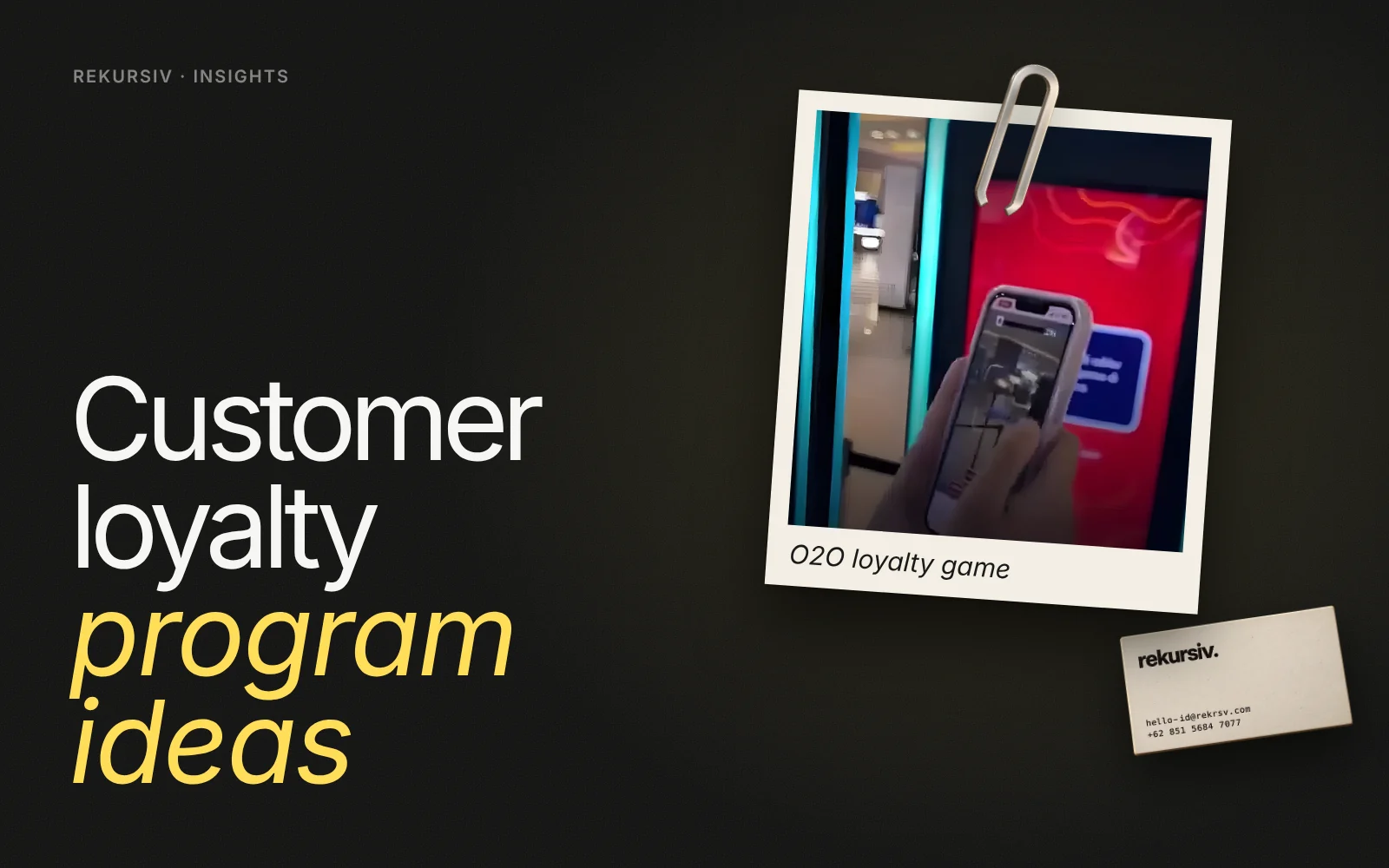
O2O gamification and loyalty. For a loyalty platform, we built a program where playing online, visiting the venue and buying in store all earn points on a single loyalty ID. Every touchpoint becomes part of one game, so people have more reasons to come back.
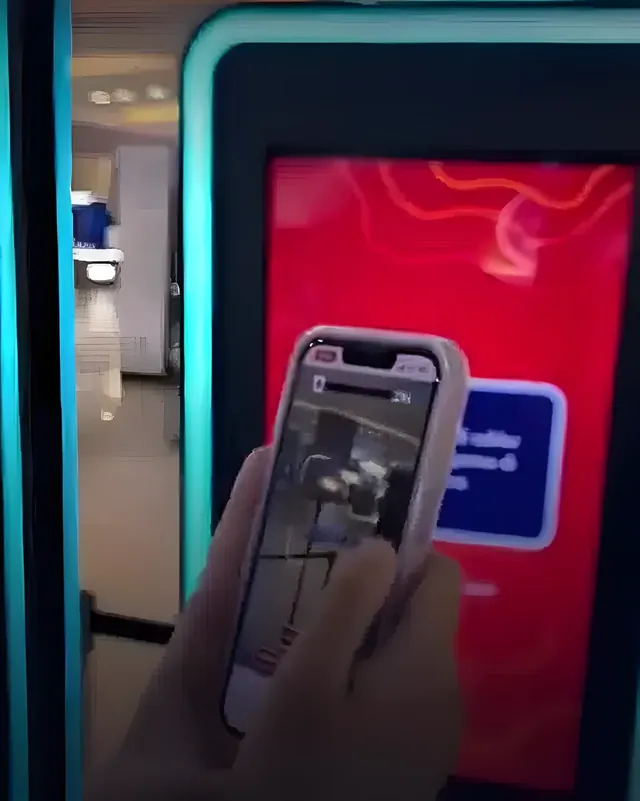
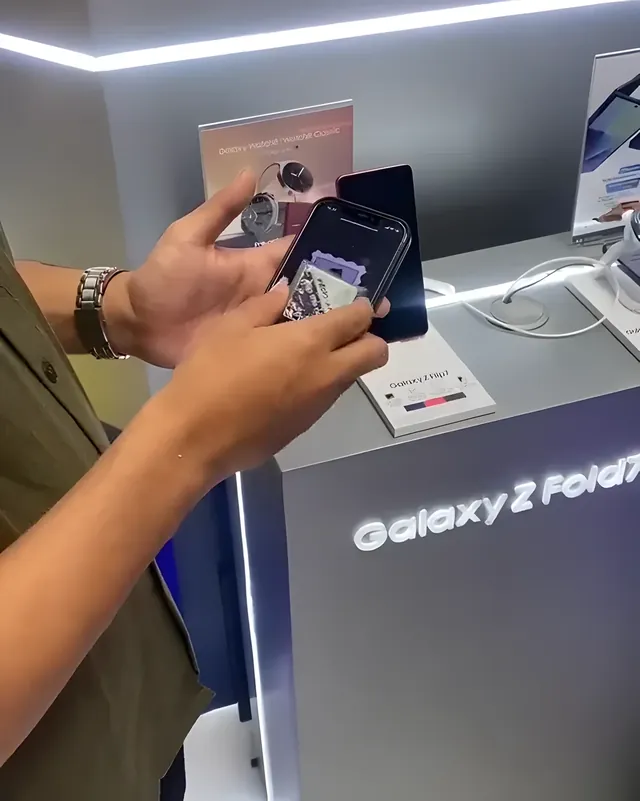
Samsung phygital stamp rally. For the Galaxy Z Fold7 and Flip7 launch, Samsung wanted visitors to try every zone, not just one booth. We replaced paper stamp cards with a web-based stamp system on the visitor's phone, with its own link and missions for each mall. It recorded 29.7k submissions, a dashboard showed which zones were completed and how many rewards were claimed, and the system was reused for the Vibe Check activations in Jakarta and Bali.
How to Design a Loyalty Program
- Start from the behaviour. Repeat purchase, store visits, trying a new product or attending events each need a different mechanic.
- Pick the reward from what customers value. Exclusive access and experiences often beat small discounts.
- Make progress visible. A progress bar or stamp grid tells people how close they are.
- Remove friction. A web app opened from a QR code is often enough; nobody has to download anything to join.
- Plan the data. Decide which events you record and what the dashboard should answer. Member data is personal data, so follow UU PDP No. 27/2022 on consent and storage.
What to Measure
Track repeat purchase rate, visit frequency, active members (not total sign-ups), redemption rate and the share of revenue from members. Compare members with similar non-members, so you see what the program changed and not just who was already loyal.
How to Start
Choose one behaviour and one audience, run a short pilot with a single mechanic, and check the repeat rate after a few weeks before adding tiers or new rewards. Want help designing a gamified loyalty program? Talk to us.
Frequently Asked Questions
What is a customer loyalty program?
A customer loyalty program is a structured way to reward customers for repeat behaviour, such as buying again, visiting a store or completing missions, so they choose your brand more often over time.
What are the main types of loyalty programs?
Points programs, tiered programs, paid memberships, cashback or discount programs, gamified programs with missions and collections, and O2O programs that connect online and offline actions on a single customer ID.
What makes a loyalty program work?
A clear reason to join, a first reward people can reach quickly, rewards that fit what customers actually value, and a simple way to see progress. Programs fail when points take months to be worth anything.
How do you measure a loyalty program?
Track repeat purchase rate, visit frequency, active members rather than total sign-ups, reward redemption rate and the share of revenue from members. Compare members with similar non-members before and after launch.
Does a loyalty program need its own app?
Not always. A web app opened from a link or QR code removes the download step, which helps for campaigns and events. A native app makes sense when customers use it every week.
Sources
Project figures from rekursiv case studies
- O2O gamification & loyalty Loyalty platform
- Phygital stamp rally Samsung