Customer Journey Map: What It Is, Examples and How to Make One
A customer journey map shows every step a customer takes with your product. What goes in one, a simple example, and how to build it from real research.
In this article
A customer journey map is a visual of every step a customer takes to reach a goal with your brand, from the first moment they notice you to the moment they are done. For each step it shows what the customer does, which touchpoint they use, what they think and how they feel, so your team can see where the experience breaks and what to fix first.
See our UX strategy service.
What Goes into a Customer Journey Map
| Part | What it captures |
|---|---|
| Persona | Who is on the journey, with their context and needs |
| Goal | What they are trying to get done, in their own words |
| Stages | The big phases, for example discover, sign up, use, get help |
| Actions | What the customer actually does at each stage |
| Touchpoints | App, website, WhatsApp, store, call center, physical place |
| Thoughts and feelings | What they wonder and how confident or frustrated they feel |
| Pain points | Where they hesitate, wait, give up or ask for help |
| Opportunities | Ideas to fix each pain point, with an owner |
Keep one map to one persona and one goal. A map that tries to cover everyone usually ends up describing no one.
A Simple Customer Journey Map Example
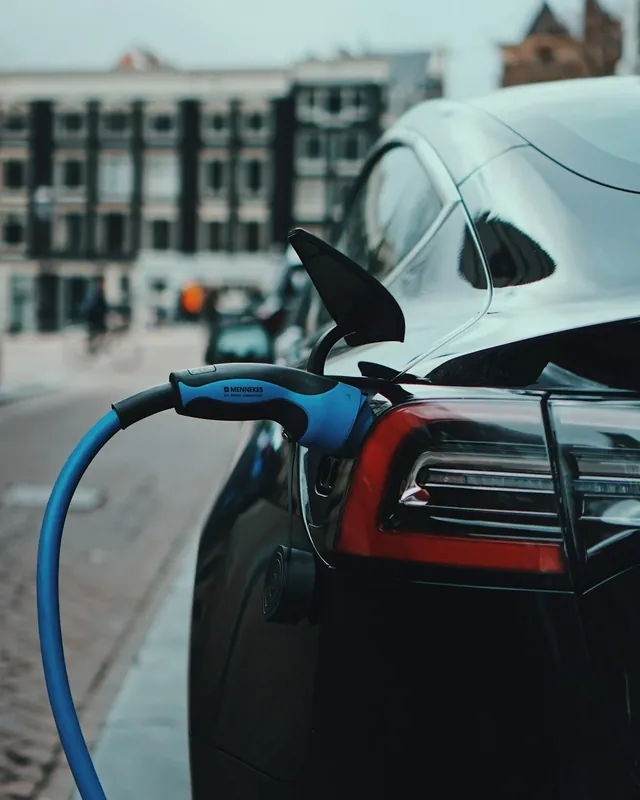
Take a driver charging an electric car at a public station:
- Find a charger. Opens the app, checks which stations are free nearby.
- Arrive and start. Parks, plugs in, starts the session in the app.
- Wait. Leaves the car, goes for coffee, checks progress.
- Charging ends. Gets a notification, or does not see it.
- Leave. Unplugs, pays, drives away. The next driver takes the spot.
Mapping it this way makes step 4 and 5 stand out. If the driver does not come back on time, the experience of the next customer starts with waiting. That is a pain point you only see when you map the whole journey, not one screen.
How to Make a Customer Journey Map
- Choose the persona and goal. One segment, one job to be done.
- Gather real evidence. Interview customers, watch them use the product, read support tickets and reviews. A map built only from internal assumptions repeats what the team already believes.
- List the stages and touchpoints. Include the offline parts: the store, the parking lot, the phone call.
- Mark actions, feelings and pain points. Use quotes and observations, not guesses.
- Turn pain points into opportunities. Rank them by impact on the customer and effort for the business.
- Test the fixes. Prototype the top ideas and test them with customers before you build.
What Journey Maps Found in Real Projects
- EV charging research. While testing an EV charging service in a mobile app, we used in-depth interviews and usability testing. We found the expected issues, such as confusing navigation and missing information. The most disruptive problem was off the screen: cars stayed plugged in after charging finished, so the next driver waited longer and the station served fewer cars. The answer combined product (status and reminders), policy (rules for occupied spots) and operations (fair turnover). The opportunity was an idle fee with a clear grace period, countdown and final reminder, because a fee feels fair when people understand it and can avoid it.
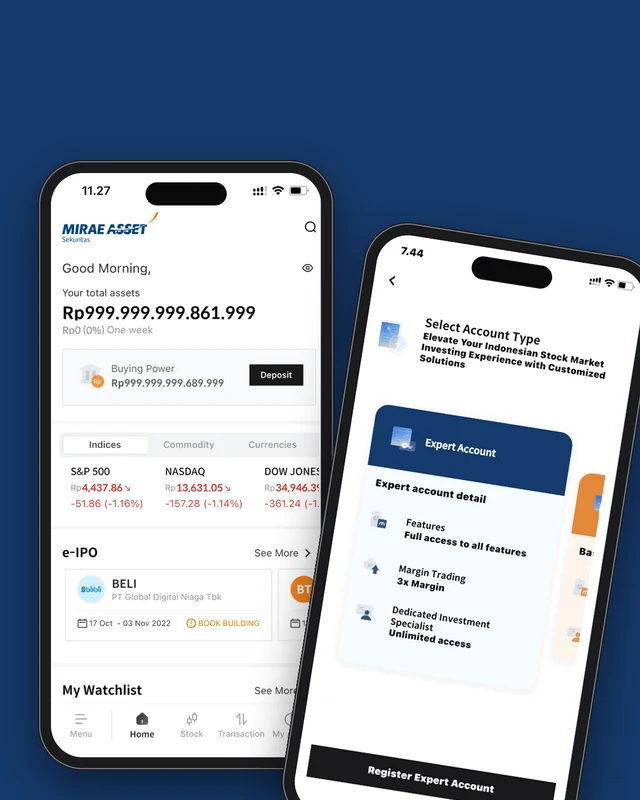
- Mirae Asset Sekuritas. Before launching the M-Stock trading app, Mirae wanted proof that the customer journey worked. We ran usability testing with 30 traders, investors and beginners, wrote a UI improvement strategy and consulted with senior management on the app's direction. 89% of the strategy was implemented, and the app holds a 4.7 rating.
Common Mistakes to Avoid
- Mapping only the app. Customers do not separate the screen from the store, the call or the queue. Neither should the map.
- Making it once and filing it. Update the map after each research round or major release.
- No owners. Every opportunity needs a team that is responsible for it, or the map stays a poster.
- Skipping consent. Interview recordings and photos of customers are personal data under UU PDP No. 27/2022, so ask for consent and store them safely.
How to Start
Pick the one journey that matters most to your business this quarter, such as onboarding or repeat purchase. Talk to 8 to 15 customers, map what you hear and see, and choose the three pain points worth fixing first.
Want help mapping a journey and turning it into a UX strategy? Contact us.
Frequently Asked Questions
What is a customer journey map?
A customer journey map is a visual of the steps a customer goes through to reach a goal with your brand, such as opening an account or charging a car, showing their actions, thoughts, feelings, touchpoints and pain points at each stage.
What should a customer journey map include?
A persona, a clear goal, the stages of the journey, the customer's actions, touchpoints, thoughts and feelings at each stage, the pain points, and the opportunities to improve.
What is the difference between a customer journey map and a service blueprint?
A journey map shows the experience from the customer's side. A service blueprint adds what happens behind the scenes, such as staff, systems and policies, that makes each step work.
How do you make a customer journey map?
Pick one persona and one goal, interview and observe real customers, list the stages and touchpoints, mark actions, feelings and pain points, then turn the biggest pain points into prioritised opportunities.
How many customers do I need to talk to?
For one persona, 8 to 15 interviews or observed sessions usually show the main patterns. Add a usability test if the journey runs through an app or website.
Sources
Project figures from rekursiv case studies
- When charging ends, but the car stays EV charging research
- Pre-launch UX research for a trading app Mirae Asset Sekuritas