What Is UX Research? Methods, Process and When You Need It
What UX research is, the main methods, when to run it in a project, and what it changed for real apps and websites in Indonesia. A plain guide for teams.
In this article
UX research is how a team finds out what real people do with a product, where they get stuck and what they expect, before money goes into building the wrong thing. It replaces "I think users want this" with evidence from interviews, tests and data.
See our UX research services.
What Is UX Research?
UX research (user experience research) is the practice of studying the people who use, or will use, a product. It looks at behaviour, needs and frustrations, then turns them into decisions: what to build, what to change and what to leave alone.
It is different from market research. Market research asks who will buy and why. UX research asks how people actually use an app, website or service, and why it works or fails for them.
The Main UX Research Methods
| Method | What it answers | Typical moment |
|---|---|---|
| In-depth interviews | Why do people behave this way? What do they need? | Start of a project |
| Focus group discussions (FGD) | How does a group talk about a problem or concept? | Early concept stage |
| Usability testing | Where do people struggle when they try a task? | Prototype and pre-launch |
| Concept or A/B testing | Which of two directions works better? | Before committing to a design |
| Surveys | How common is a behaviour or opinion? | Any stage, to size a finding |
| Analytics review | Where do people drop off in the live product? | After launch |
| Heuristic evaluation | Which known usability principles does the design break? | Quick audit of an existing product |
A useful rule: qualitative methods (interviews, FGDs, usability tests) explain why, quantitative methods (surveys, analytics) show how many. Good studies combine both.
When Do You Need UX Research?
- Before you build. To understand users and choose the right problem to solve.
- During design. To test wireframes and prototypes while changes are still cheap.
- Before launch. To catch friction in key flows such as sign-up, payment or search.
- After launch. To read analytics, find drop-offs and plan the next improvements.
If you are redesigning a product people already use, start with research on the live version. Existing users can tell you exactly what slows them down.
What UX Research Changed in Real Projects
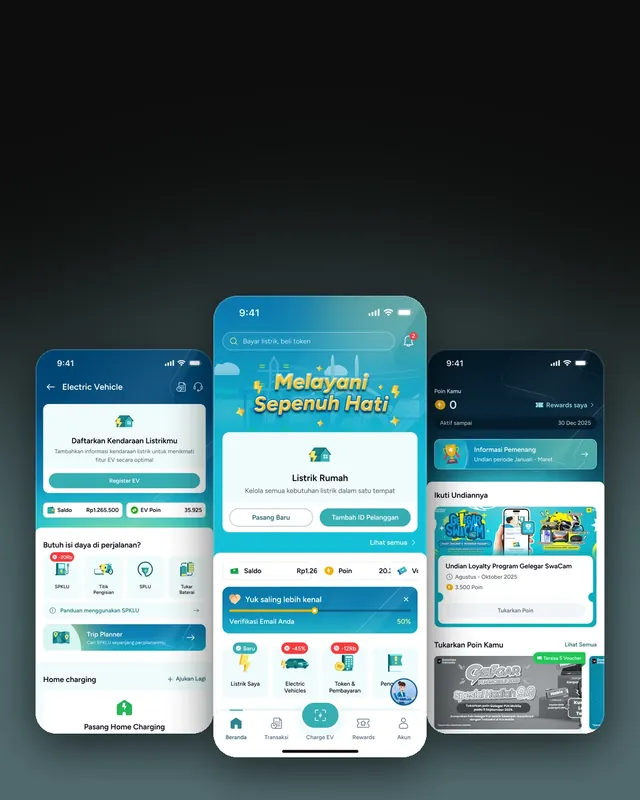
PLN Mobile. The revamp of PLN's super app started with research among real users. We gathered insights from 40+ users of the live app, who said it felt outdated, had too many steps, buried important information and used unfamiliar terms. Focus groups and usability testing followed, with 8 personas tested across Indonesia, and the findings carried through to the final UI.
Kalbe Consumer Health. One website for 9 countries, designed for people with low digital literacy. User research, journey analysis and usability testing shaped it. After launch, average search time dropped by 66%, conversion to purchase reached 4.3%, and the average session lasted 2m 03s.
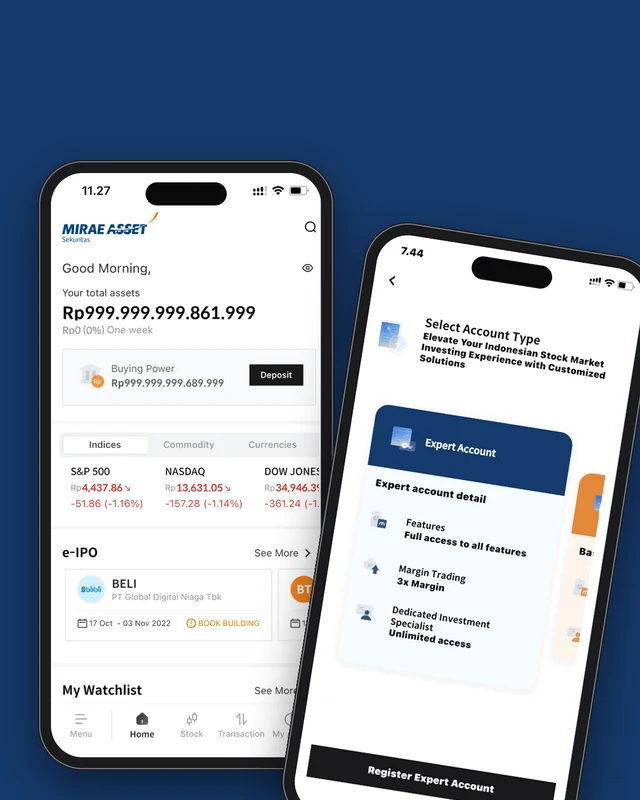
Mirae Asset Sekuritas. Before launching the M-Stock trading app, Mirae wanted proof the customer journey worked. We ran usability testing with 30 traders, investors and beginners and delivered a UI improvement strategy. 89% of that strategy was implemented, and the app holds a 4.7 rating.
What You Get at the End
A good study ends with something the team can act on, not just a report:
- key findings, ranked by how much they affect users and the business;
- personas or user types based on real behaviour;
- journey maps that show where people get stuck;
- prioritised recommendations, often with wireframes for the top fixes.
Recordings, Consent and Personal Data
Interviews and tests usually involve recordings of voices, screens and sometimes faces. In Indonesia this is personal data under Law No. 27 of 2022 (UU PDP). Ask for clear consent, explain how recordings are used and stored, and keep them only as long as the study needs.
How to Start
- Write down the one decision the research must support.
- List what you already know from analytics, support tickets and sales.
- Pick one or two methods that fit the question and the stage.
- Recruit participants who match your real users, not just colleagues.
Have a product decision coming up? Talk to us and we will help you scope the right study.
Frequently Asked Questions
What is UX research?
UX research is the practice of studying how real people use a product, through methods such as interviews, focus groups, usability testing, surveys and analytics, so that design and business decisions are based on evidence.
What is the difference between UX research and market research?
Market research asks who will buy and why. UX research looks at how people actually use a product or prototype, where they get stuck and what they expect, so the team knows what to design and fix.
When should you do UX research?
At the start, to understand users and pick the right problem; during design, to test prototypes; and before launch, to catch friction. After launch, analytics and follow-up tests show what to improve next.
Which UX research method should I use?
Interviews and focus groups explain why people behave as they do. Usability testing shows where they struggle. Surveys and analytics measure how common a behaviour is. Most projects combine two or three.
Do I need a lot of participants?
Not always. Qualitative studies such as usability tests often find the main problems with a small group per user type, while surveys need larger samples to measure how widespread a pattern is.
Sources
- When to Use Which User-Experience Research Methods, Nielsen Norman Group
- Law No. 27 of 2022 on Personal Data Protection (BPK RI legal database)
Project figures from rekursiv case studies
- Revamping the PLN Mobile super app PLN
- One website for nine countries Kalbe Consumer Health
- Pre-launch UX research for a trading app Mirae Asset Sekuritas