12 Interactive Booth Ideas for Brand Activations (With Real Examples)
Event booth ideas that make people stop, play and queue. Twelve real examples from Samsung, CeraVe, Guinness and more, plus how to pick the right one.
In this article
- 1. Digital graffiti with a real spray can
- 2. A photo booth that gives loyalty points
- 3. A motion-controlled maze
- 4. A vault with a secret code
- 5. An AR screen that makes visitors the star
- 6. A smart return totem
- 7. A shelf that tells a story when you lift a product
- 8. A sensor on the shopper's own phone
- 9. A table that recognises products
- 10. A UV camera mirror
- 11. A bin that answers back
- 12. A photo booth that counts raised glasses
- How to pick the right idea for your brand
- Technical checklist before the event
At a busy event, people take a few seconds to decide whether to stop at a booth. Booths that only display a product rarely win. Booths that invite people to do something almost always do.
Here are 12 interactive booth ideas we have built and tested in the field, with their results.
1. Digital graffiti with a real spray can
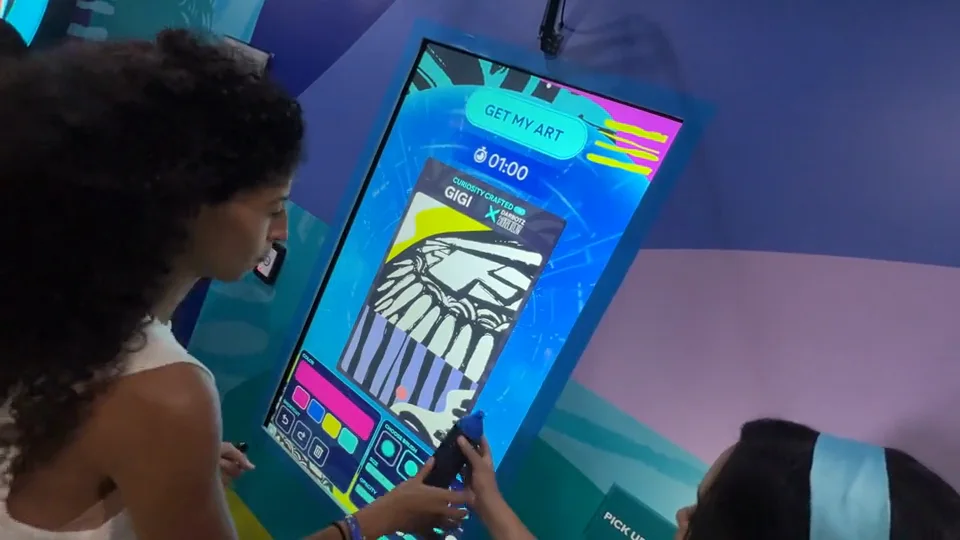
FMCGSee the project →A sensor-equipped spray can turns real spray movements into digital art in real time, and the piece is printed for visitors to take home. At Djakarta Warehouse Project, this booth drew 670 participants, about 200 a day.
2. A photo booth that gives loyalty points
FMCGSee the project →One wristband tap starts the session, three poses become a GIF, points land on the visitor's account and every photo joins a giant mosaic of the night. 1,337 participants in three days.
3. A motion-controlled maze
FMCGSee the project →Players tilt a controller to guide a glowing ball through a maze. A gyroscope and real-time tracking turn every move into play. 1,205 participants, about 402 a day.
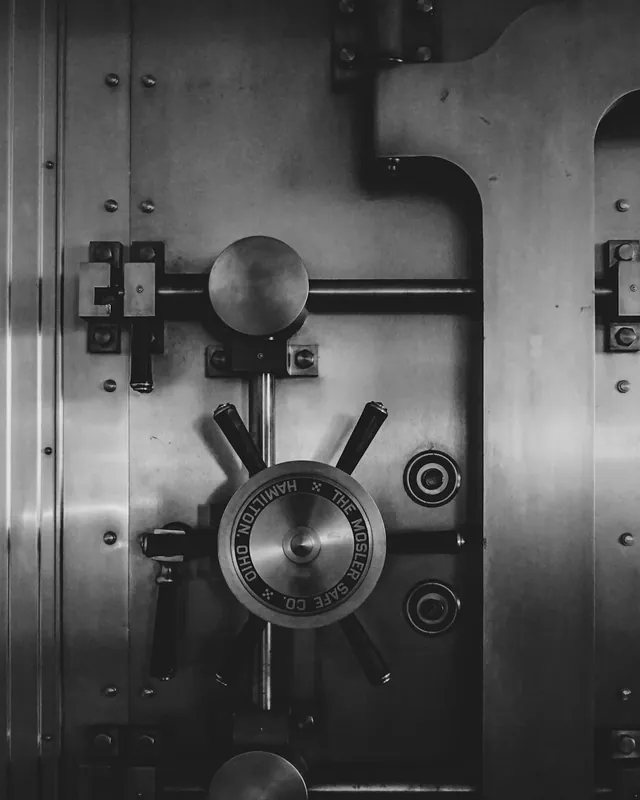
4. A vault with a secret code
Live eventsSee the project →Three attempts, a code that changes and a winner nobody can predict. The insight is simple: people keep trying when the outcome is uncertain but shaped by their own actions. Around 75% participation, with queues still long after the rewards ran out.
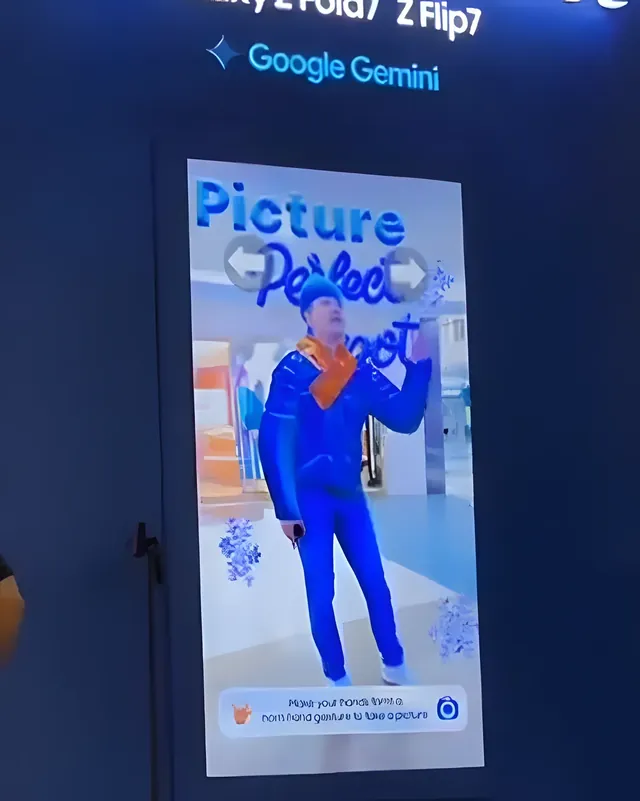
5. An AR screen that makes visitors the star
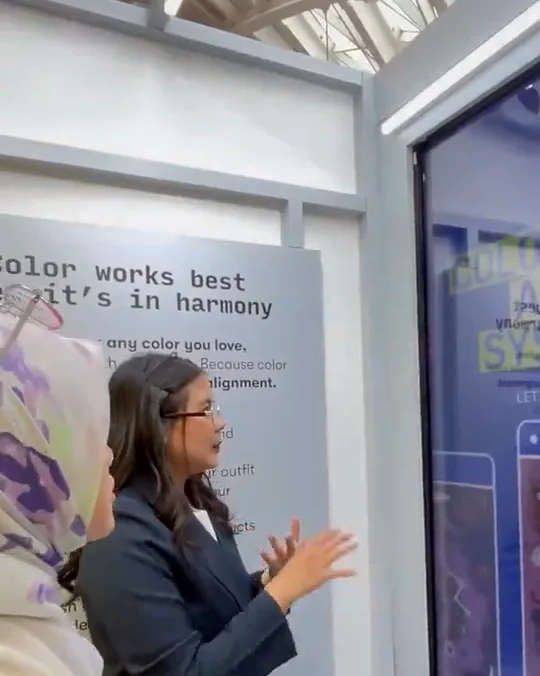
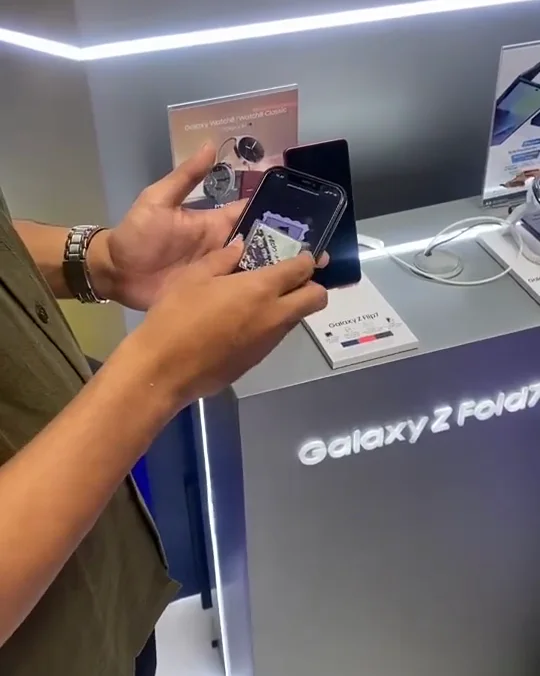
SamsungSee the project →For the Galaxy Z Fold7 and Z Flip7 launch, Samsung Vibe Check visitors pose, get scanned and become part of the screen, then take their moment home. People don't just watch the launch, they step into it.
6. A smart return totem
FMCGSee the project →Lending demo devices at a concert is easy. Getting them back is hard. A totem with sensors and Bluetooth trackers logs every return to a live warehouse dashboard. 76.8% return rate, a 17% jump in compliance.
7. A shelf that tells a story when you lift a product
FMCGSee the project →Pick up a product and the screen tells its story; pick up two and it compares them side by side. Lift & Learn lets shoppers learn without waiting for staff.
8. A sensor on the shopper's own phone
Interactive retailSee the project →A smart sensor placed on the shopper's phone brings throat anatomy to life and shows how the product works. Product education becomes an in-store experience.
9. A table that recognises products
CeraVeSee the project →Put a CeraVe product on the table and the screen shows its benefits and how to use it. People learn while holding the product.
10. A UV camera mirror
La Roche-PosaySee the project →A UV camera shows sun exposure on the skin that is normally invisible. The La Roche-Posay booth had 103,000+ people pass by, 5,000 stop and 589 complete an analysis.
11. A bin that answers back
 FMCGSee the project →
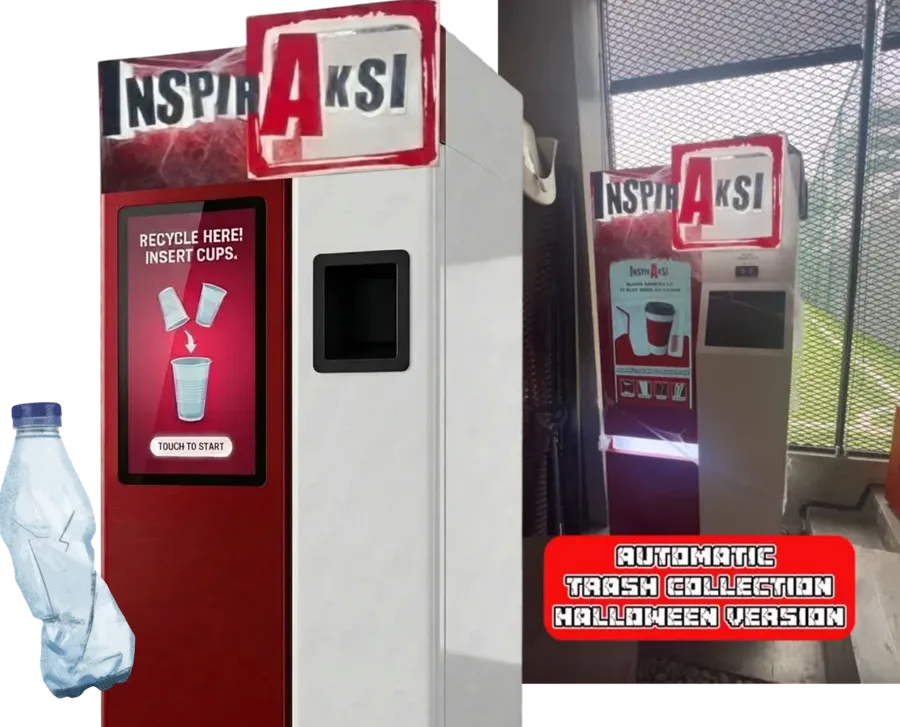
Throw away a cup and a sensor plays a Halloween-themed campaign animation. An FMCG brand turned the most ordinary moment into campaign media.
12. A photo booth that counts raised glasses
GuinnessSee the project →In a loud bar a touchscreen makes no sense. The Guinness booth uses computer vision to count glasses raised together, with 99% detection accuracy. The more people join, the faster the surprise comes.
How to pick the right idea for your brand
The same patterns show up in every booth above:
- One action, instantly understood. Spray, lift, pose, tap. If it needs a long explanation, people walk on.
- A result that is personal or can be taken home. A print, a GIF, points, an analysis. People queue for something that is theirs.
- Fair uncertainty. Like the vault: an outcome you cannot predict but can influence makes people try again.
- Fun to watch from outside. The best booths are also a show, so the queue advertises the booth.
- Connected to data. Every interaction is logged, so the team can improve the booth while the event is still on.
People don't queue to look at a product. They queue to do something.
Technical checklist before the event
| Item | What to confirm |
|---|---|
| Power | Enough capacity, a separate line for main devices, backup if needed |
| Internet | Stable for the dashboard and sending results, or an offline mode |
| Light | Tested on site, especially for cameras and sensors |
| Queue flow | A waiting area that can still see the fun |
| Session length | One to two minutes for busy events |
| Staff | Who greets, guides and handles technical issues |
| Testing | Tested at the venue before day one, not only in the office |
Need a booth idea for your next launch or event? See all our activation projects or tell us about your brief.
Frequently asked questions
What makes an interactive booth work?
One action people understand in a few seconds, a result that is personal or can be taken home, and a session short enough to keep the queue moving. The busiest booths also look fun from the outside, so passers-by get curious too.
How long should a booth session be?
For busy events, aim for one to two minutes. Longer than that and queues build up and people give up. A longer experience can be split across several points or continued on the phone.
How do you measure a booth's success?
Count the funnel: people passing, stopping, trying, completing, and taking a result home or leaving data. A live dashboard lets the team fix the booth while the event is still running, not after it ends.
Does an interactive booth have to be expensive?
No. Something as simple as a bin that plays an animation when you use it can work very well. Cost rises with custom hardware, custom AI models or many venues at once.