Interactive Installations for Malls: Types, Examples and How to Plan One
What interactive installations for malls are, the main types, real examples with visitor numbers, and how to plan one that people stop for and remember.
In this article
Interactive installations for malls are physical setups that react to what visitors do, through movement, touch or a smart object, so a shopper walking past becomes a player. Done well, they turn a busy atrium into a place people stop, play, share and remember the brand. This guide covers the main types, real examples with numbers, and how to plan one.
See our interactive booth service.
What Is an Interactive Installation?
An interactive installation is a space or object that changes in response to the person in front of it. A wall that paints itself when you spray, a game you control by tilting, a screen that asks what you enjoyed and shows the answers live. The difference from a regular display is simple: a display is watched, an installation is used.
In a mall, that difference matters. Shoppers are moving, busy and surrounded by screens. A static visual has a second or two. Something they can try, with a clear first action and an instant reaction, earns minutes.
Types of Interactive Installation for Malls
| Type | How visitors interact | Best for |
|---|---|---|
| Motion game | Body movement, tilting or gestures read by sensors or cameras | Crowds, queues, repeat play |
| Digital art wall | A sensor-equipped object, like a spray can or brush, draws on a screen | Creative brands, festivals, take-home prints |
| Interactive feedback screen | Visitors tap choices or type a few words | Experience stores, learning what people liked |
| AR mirror or photo experience | Camera-based effects and shareable photos | Beauty, fashion, launches |
| Phygital challenge | Physical play linked to a digital reward | Loyalty and product sampling |
What Makes an Installation Work in a Mall
- An obvious first action. People should understand what to do from watching someone else for three seconds.
- Instant feedback. Light, sound, a score or a picture that responds to every move.
- Short sessions. One to three minutes keeps the queue moving in a busy atrium.
- A take-away. A printed piece, a photo or a reward gives people a reason to finish and to share.
- A link to the brand. The interaction should show the product idea, not just entertain.
- Measurement. Count participants, time spent and responses, so the next activation is planned on data.
Examples From Our Projects
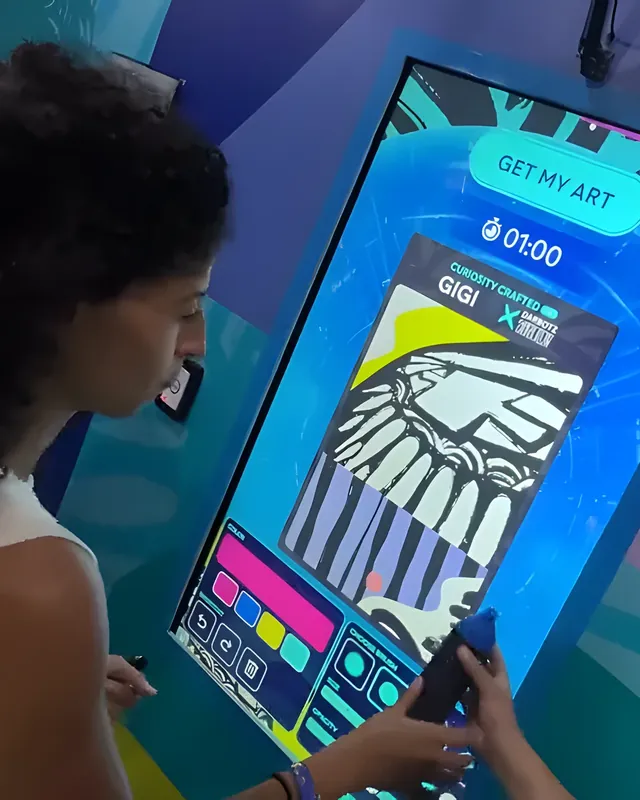
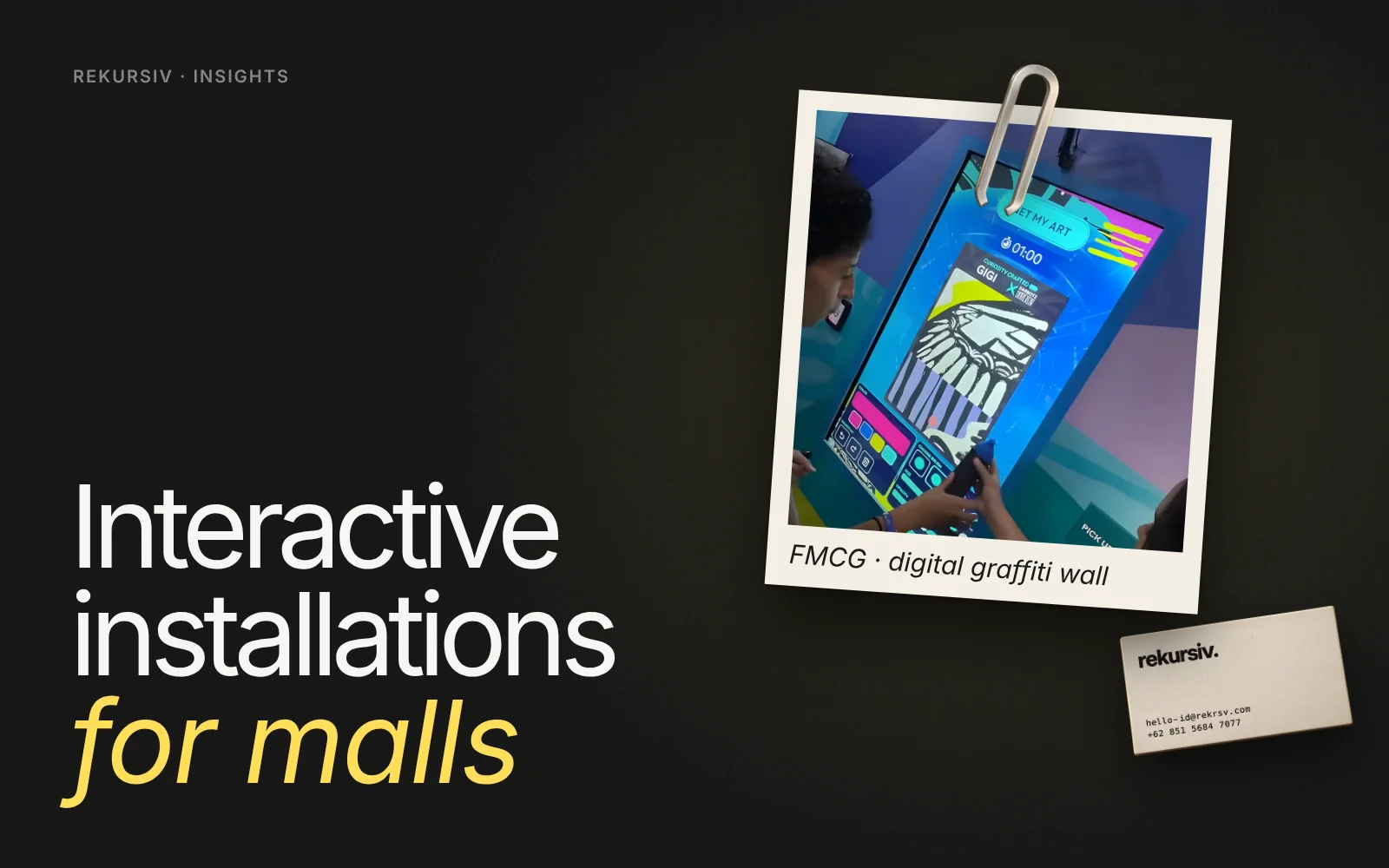
Digital graffiti wall. An FMCG brand wanted festival-goers to stop, play and take something home. We built a sensor-equipped spray can that turns real spray movements into digital art in real time, and every visitor walks away with a printed piece. It reached 670 participants, around 200 a day.
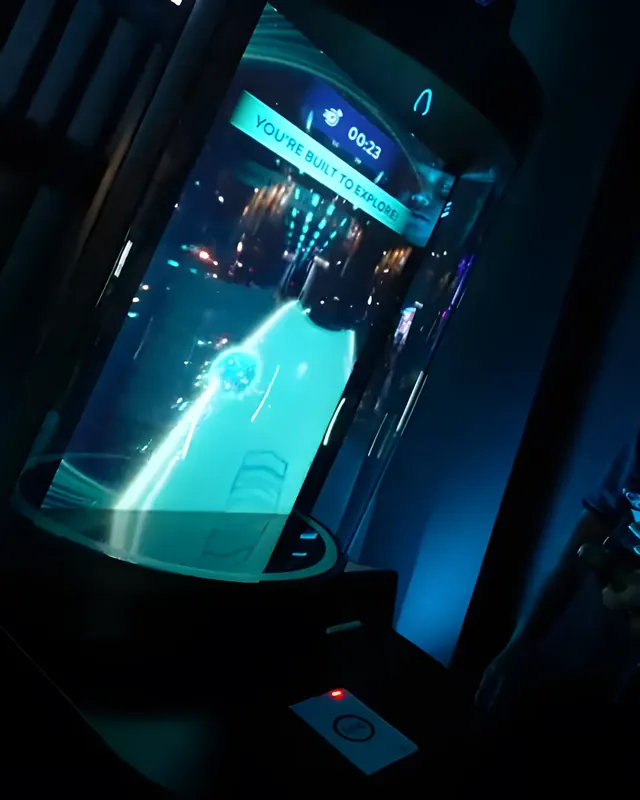
Illumazed. A skill game that pulls people in and keeps them playing: players tilt to guide a glowing ball through a maze, with a built-in gyroscope and real-time object tracking. It reached 1,205 participants, 402 per day.
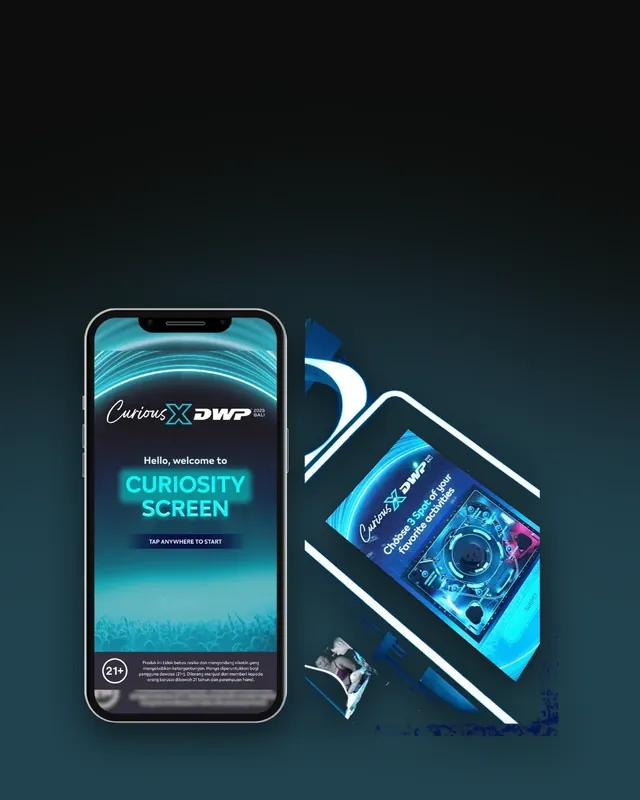
Curiosity Screen. For a brand experience store, the goal was to learn what visitors loved without a boring survey. Visitors pick their favourite spots and events on an interactive screen and describe the experience in three words. Every answer is collected and categorised for the team, so feedback becomes something people enjoy giving.
Together these show the three jobs an installation can do: draw a crowd, hold attention and bring back insight.
Planning Checklist
- Space and traffic: atrium size, power, mall rules on sound and structure.
- Goal: awareness, sampling, sign-ups or feedback. Pick one main metric.
- Throughput: how many people per hour the format can handle.
- Staffing: who hosts, explains and resets the installation.
- Data and privacy: if you use cameras, photos or contact details, follow UU PDP No. 27/2022 with clear notice and consent.
- Testing: run the full experience on site before opening day.
How to Start
Start with the mall, the dates and the one result you want. From there we can suggest a format, prototype the key interaction and plan the build and the reporting. Contact us to talk about your next activation.
Frequently Asked Questions
What are interactive installations for malls?
Physical setups in a mall atrium, store or event area that respond to visitors in real time, through motion, touch, sound or a smart object, usually built for a brand activation, launch or seasonal campaign.
What types of interactive installation work best in a mall?
Motion games, digital art walls, interactive feedback screens, AR mirrors and photo experiences. The right type depends on how long people can stay and what the brand wants them to remember.
How many people can an interactive installation reach?
It depends on traffic and play time. In our projects, a digital graffiti wall reached 670 participants at around 200 a day, and a motion-controlled maze game reached 1,205 participants at 402 a day.
How long does it take to build an interactive installation?
Simple formats built on proven hardware can be ready in a few weeks. Custom sensors, new game mechanics or large structures need more time for prototyping and on-site testing.
Does an interactive installation collect personal data?
Only if it uses cameras, photos, names or contact details. Under Indonesia's UU PDP No. 27/2022 you need a clear notice, consent and a plan for how long the data is kept.
Sources
Project figures from rekursiv case studies