What Is Personal Color Analysis? The 12 Seasons and How AI Does It
What personal color analysis is, how the 4 and 12 season systems work, draping vs AI, and how beauty and fashion brands use it in store.
In this article
Personal color analysis is a way to find the colors that make your face look brighter and healthier, based on your skin undertone, hair and eyes. Most systems sort people into seasons. For beauty and fashion brands it has become one of the easiest ways to turn a shopper's curiosity into a product shortlist.
See our personal color analysis booth.
What Is Personal Color Analysis?
Personal color analysis compares a person's natural coloring with groups of colors to find the palette that flatters them most. The right colors make skin look even and eyes look clear. The wrong ones can make the face look tired or washed out. The result is usually a season, plus a palette for makeup, hair color and clothing.
It became popular through image consultants and, more recently, through Korean beauty culture, where a personal color session before shopping is common.
The Three Things Being Measured
Every seasonal system looks at three qualities:
- Undertone (hue). Warm (yellow, golden) or cool (pink, blue).
- Value (depth). How light or deep the overall coloring is.
- Chroma (clarity). How clear and bright, or soft and muted, the coloring looks.
The 4 and 12 Season Systems
The classic system uses four seasons. The 12-season system splits each one into three, depending on which quality is strongest.
| Season | Base | The three sub-seasons |
|---|---|---|
| Spring | Warm, light, clear | Light spring, warm spring, clear spring |
| Summer | Cool, light, soft | Light summer, cool summer, soft summer |
| Autumn | Warm, deep, soft | Soft autumn, warm autumn, deep autumn |
| Winter | Cool, deep, clear | Deep winter, cool winter, clear winter |
Twelve seasons give more precise palettes, which matters when a brand has dozens of lip or foundation shades to recommend.
Draping vs AI Analysis
Draping. A consultant holds fabric swatches under the face in neutral light and watches how the skin reacts. It is detailed and personal, but takes time and one trained person per customer.
AI analysis. A camera captures the face, AI reads skin tone and undertone, places the person in a season and shows the palette on screen. With real-time try-on, people see the shades on their own face before they touch a tester. It takes a few minutes and gives the same reading every time, which is why it suits stores, counters and events.
Either way, lighting is the biggest factor. A good booth controls the light so results stay consistent through the day.
A Real Example: Laneige
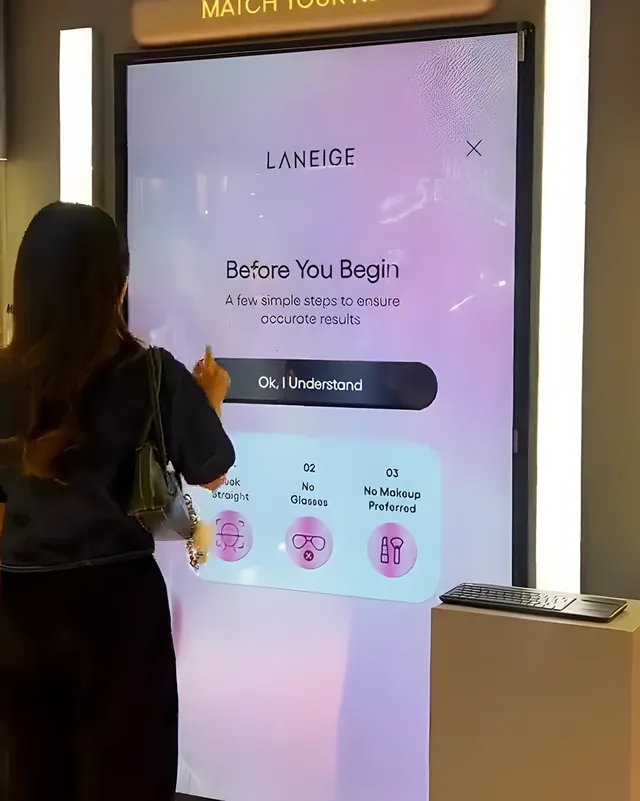
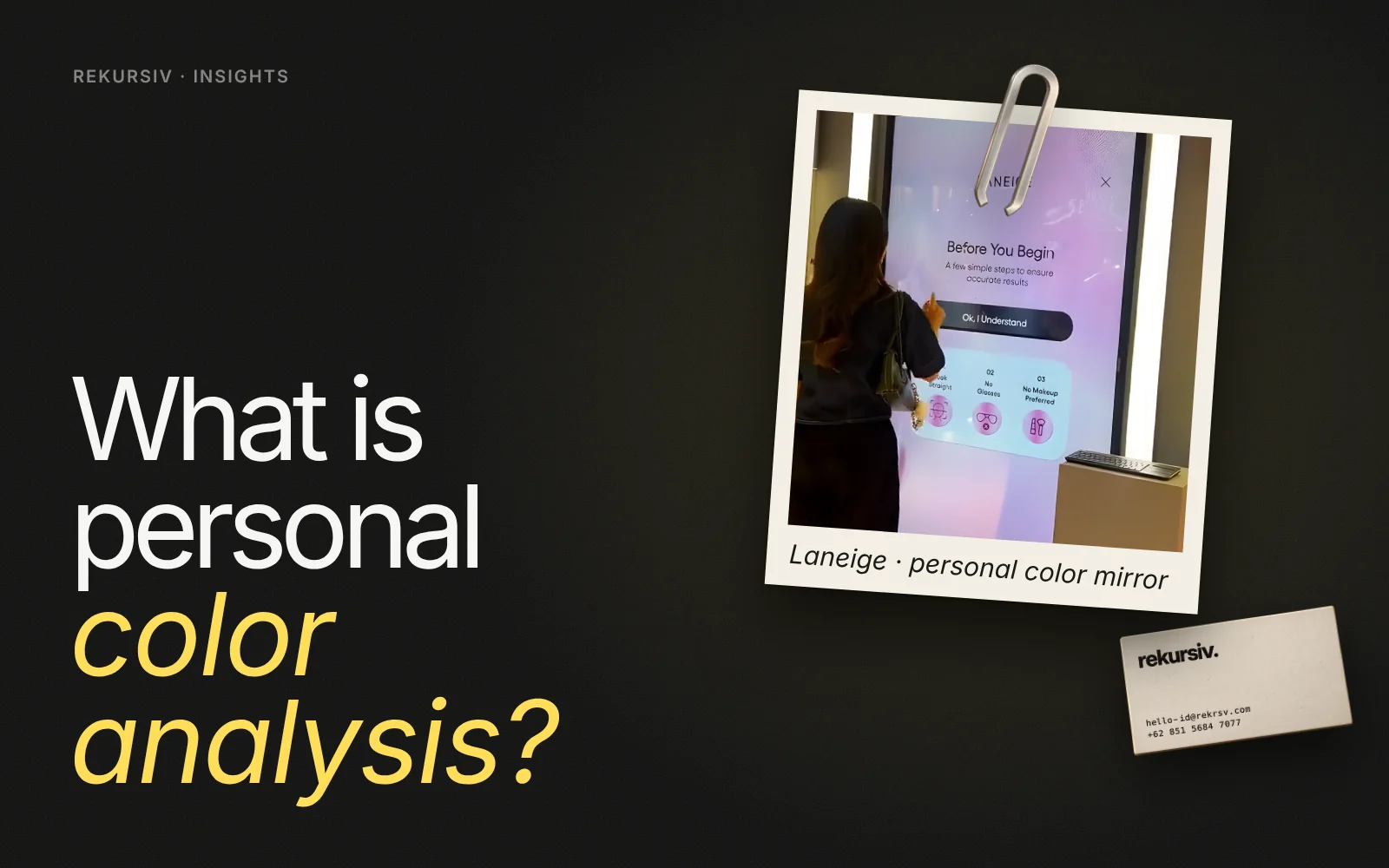
Laneige wanted customers to find the right products through a more personal, interactive color experience. We built an AI personal color analysis on the 12-season system, connected to real-time color try-on and Laneige product recommendations, plus a custom dashboard to manage content and product mapping.
The experience reached 19k+ visitors, a 32% engagement rate and 179 analyses. Because the dashboard maps each season to products, the brand team can update shades without touching the code.
What to Plan Before You Build One
- Product mapping. Decide which shades belong to which season before launch. This is the part that turns a fun result into a sale.
- Lighting and placement. A corner with steady light works better than a spot next to a bright LED wall.
- Flow. Stop, scan, see the season, try shades, get a shortlist. Keep it short enough for a busy counter.
- Data and consent. The booth processes face images, which is personal data under Indonesia's UU PDP No. 27/2022. Ask for clear consent, state the purpose and decide how long images are kept, or do not store them at all.
- Measurement. Count visitors, analyses and try-ons so you can compare stores and events.
How to Start
Pick one product line with a clear shade range, such as lips or base makeup, and map it to the 12 seasons. Run it at one counter or one event first, then roll it out to more locations once the mapping feels right.
Planning a personal color experience? Talk to us.
Frequently Asked Questions
What is personal color analysis?
A method that matches a person's natural coloring, meaning skin undertone, hair and eye color, to the palette of colors that flatters them most, usually grouped into seasons such as spring, summer, autumn and winter.
What are the 12 seasons in color analysis?
Each of the four seasons is split into three: light, warm and clear spring; light, cool and soft summer; soft, warm and deep autumn; deep, cool and clear winter. The split comes from undertone, how light or deep the coloring is, and how clear or muted it is.
How does AI personal color analysis work?
A camera captures the face, AI reads skin tone and undertone under controlled lighting, places the person in a season and shows the matching palette, often with real-time try-on of shades on the face.
Is AI as accurate as a draping session with a consultant?
A consultant with fabric drapes gives a slower, more detailed reading. AI is faster and consistent, which suits retail and events where hundreds of people want a result in a few minutes. Good lighting matters for both.
How do brands use personal color analysis?
Beauty and fashion brands put it in stores, counters and activations so the result leads to a shortlist of their own shades, such as lip, foundation or clothing colors, and they can count how many analyses turn into product interest.
Sources
Project figures from rekursiv case studies
- 12-season personal color mirror Laneige