What Is a Software House? How It Works and When You Need One
What a software house is, what it builds, how it differs from a digital agency or in-house team, and how to choose a software house in Indonesia.
In this article
A software house is a company that designs, builds and maintains custom software for other businesses: mobile apps, web apps, dashboards and internal systems. Instead of selling one ready-made product, it builds what your team and your customers actually need, then keeps it running.
See our software house in Jakarta.
What Is a Software House?
The term is common in Indonesia and Europe. A software house takes a business problem, such as "our contractors still submit safety documents by email", and turns it into working software. The work usually covers requirements, UX and UI design, frontend and backend development, testing, launch and ongoing support.
A software house is different from a software vendor. A vendor sells the same product to many companies. A software house builds something specific to you, and in a good contract, you own it.
What a Software House Builds
| Type | Examples |
|---|---|
| Customer apps | Banking, investment, loyalty and booking apps on iOS and Android |
| Web apps and portals | Customer portals, B2B ordering, booking and registration systems |
| Dashboards and internal tools | Operations, compliance and sales dashboards, admin panels |
| Integrations | Connecting a CRM, ERP, payment gateway or WhatsApp to one flow |
| Backend and APIs | The data, logic and security layer behind all of the above |
Software House vs Digital Agency vs in-House Team
Digital agency. Focuses on marketing: campaigns, content, social media and websites. Good for reach, less suited to building a product that thousands of people use every day.
Software house. Focuses on building and running software. Strong on engineering, and the best ones also do research and design so the product is right before it is built.
In-house team. Best when software is the core of your business and you need a permanent team. It takes time to hire product managers, designers, engineers and QA, so many companies start with a software house and build the internal team in parallel.
How a Software House Project Usually Runs
- Discovery. Interviews with stakeholders and users, goals, scope and priorities.
- UX and UI design. Flows, wireframes and a clickable prototype.
- Validation. Usability testing with real users before engineering starts in earnest.
- Development. Frontend, backend and integrations in short sprints with regular demos.
- Testing and launch. QA, security checks, store submission or deployment.
- Support. Monitoring, fixes and new features after launch.
Steps 1 to 3 are the cheapest place to change your mind. A change on a prototype takes hours, the same change after launch can take weeks.
What This Looks Like in Real Projects
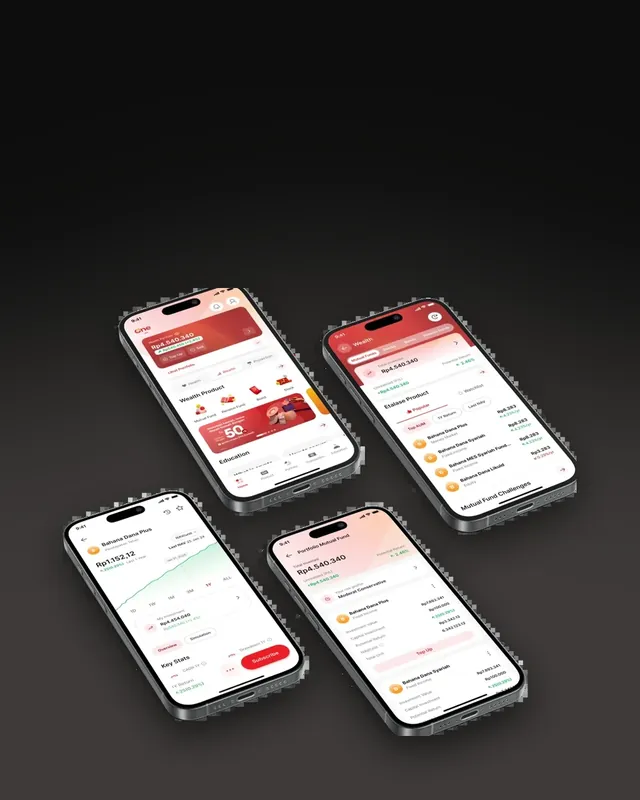
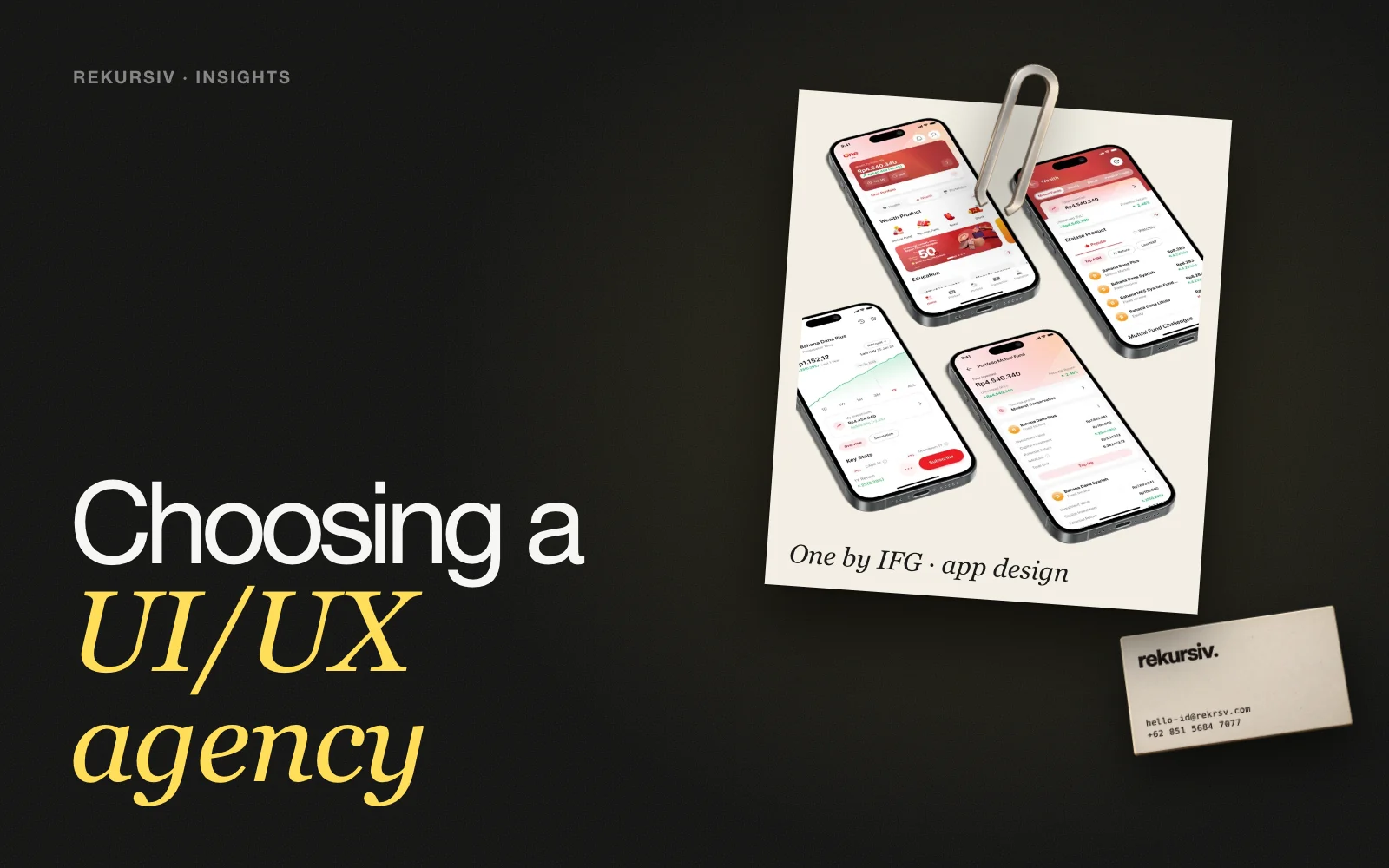
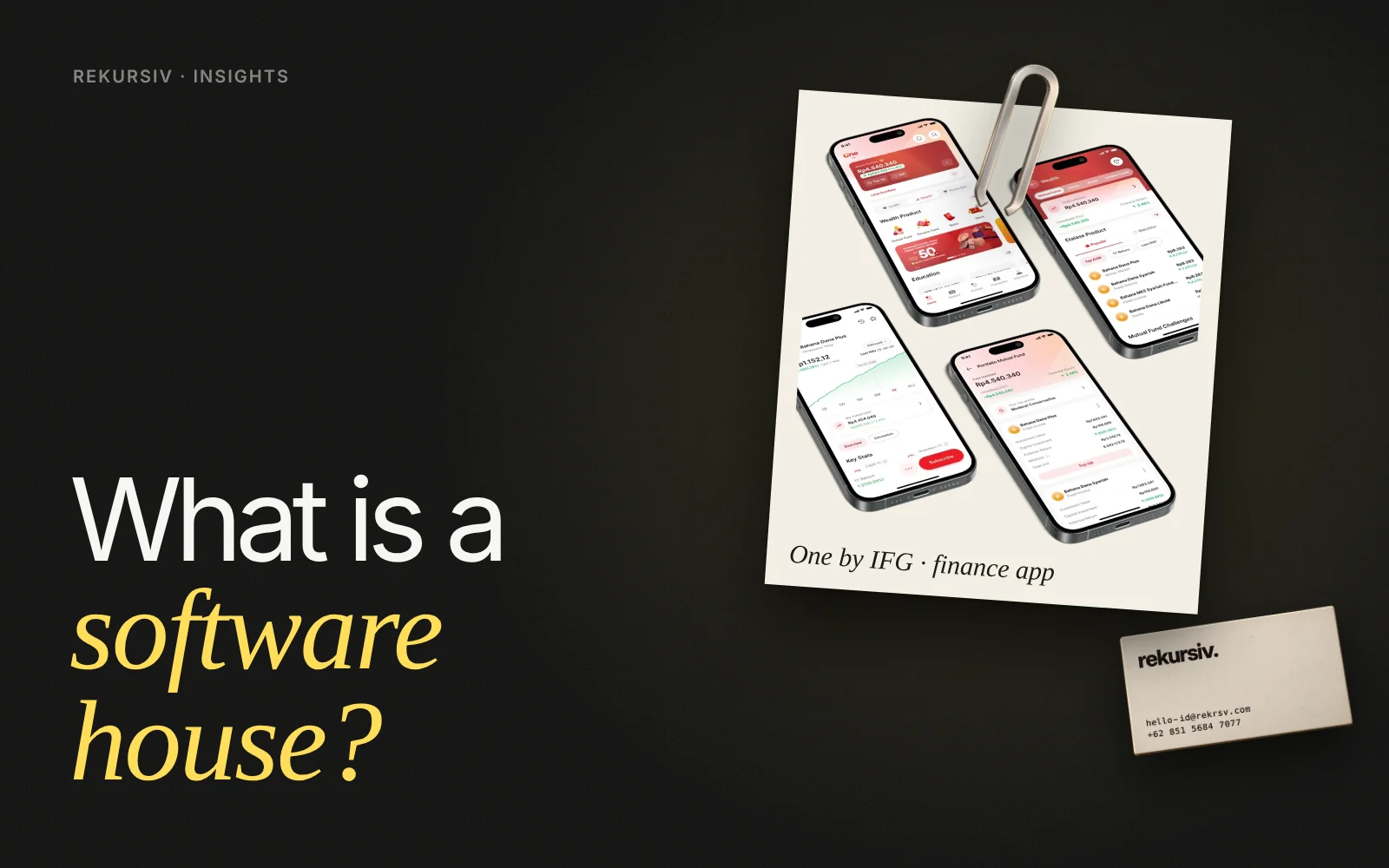
One by IFG. An all-in-one finance app for insurance, mutual funds, bonds and stocks. The work included in-depth interviews, usability testing with 15 users, UX strategy and UX and UI design. The app reached 75K users in 8 months, with +6 unique features and a 4.9 app rating.
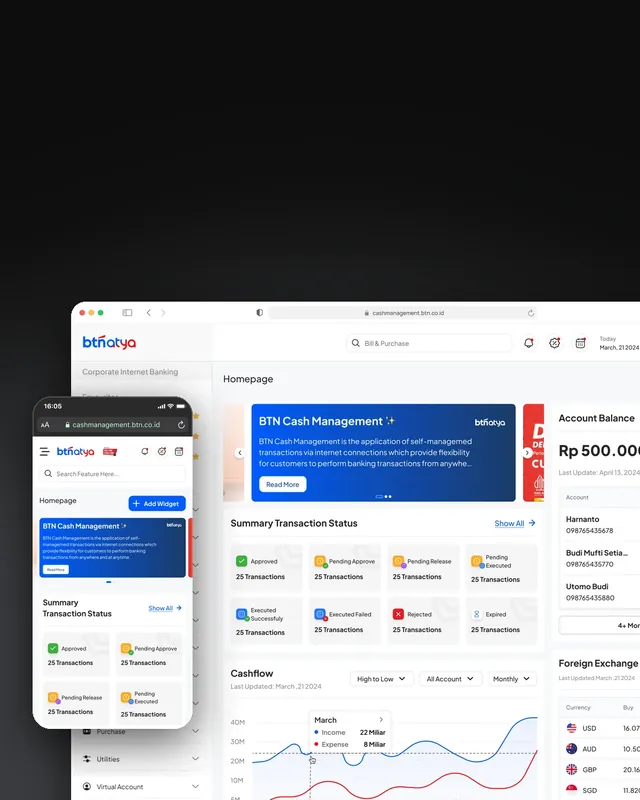
Bank BTN Cash Management System. An outdated cash management interface for corporate clients was modernised without confusing the people who already rely on it, through usability testing with 10 participants, a heuristic evaluation and affinity mapping before the new UX and UI design.
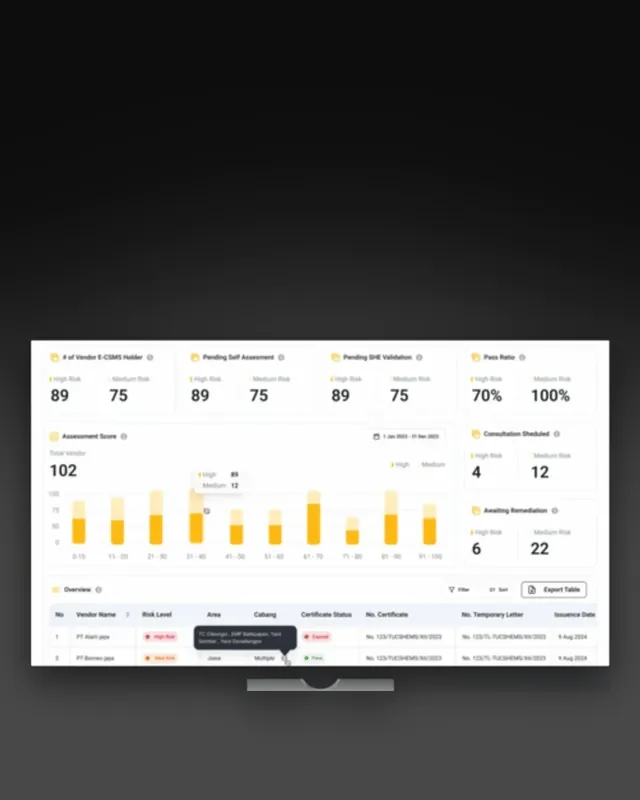
Trakindo e-CSMS. Contractor safety checks ran on manual forms and email threads, with no real-time view. The result was a real-time dashboard for contractor safety management, with compliance tracking, document checks and a clear overview for senior management.
How to Choose a Software House in Indonesia
- Live products. Ask for apps you can install and systems you can see in use, not only screenshots.
- Research and testing. Ask how they validate with users before building. Usability testing on a prototype saves rework later.
- One team. Research, design and engineering under one roof means fewer handovers and fewer gaps.
- Ownership. Source code, cloud accounts, app store accounts and domains should be in your company's name.
- Data and security. If the software handles customer data, the team should know what UU PDP No. 27/2022 asks of you.
- Support after launch. Agree on response times, fixes and updates in writing.
How to Start
Write down the problem in one paragraph, who the users are, and what success looks like in numbers. That is enough for a first conversation and a scoped proposal. Contact us to talk it through.
Frequently Asked Questions
What is a software house?
A software house is a company that designs, builds and maintains custom software for clients, such as mobile apps, web apps, dashboards and internal systems, instead of selling one off-the-shelf product.
What does a software house build?
Typically mobile apps for customers, web apps and portals, internal dashboards and admin tools, integrations between existing systems, and the backend and APIs behind them.
What is the difference between a software house and a digital agency?
A digital agency usually focuses on marketing, content, campaigns and websites. A software house focuses on building and running software products and systems. Some studios, rekursiv included, do both research and design and the engineering.
When should a company hire a software house instead of an in-house team?
When the product needs a full team of research, design and engineering quickly, when the work is a defined project rather than a permanent function, or when the internal team needs extra capacity for a launch.
How do I choose a software house in Indonesia?
Look at live products you can install or open, ask how they validate with users before launch, check who owns the source code and accounts, and agree on support after launch in writing.
Sources
Project figures from rekursiv case studies