What Drives the Cost of Usability Testing (and How to Keep It Lean)
The factors that set the price of a usability test: user groups, participants, recruitment, method, cities and what you get at the end. Plus how to keep a study lean.
In this article
Every team wants to know the price of a usability test before they ask for one. The honest answer is that it depends, but it depends on a short list of things you can control. Here is what drives the cost, and how to keep a study lean without losing what matters.
Want us to scope one with you? See our UX research services.
The six things that set the price
| Factor | Leaner | Bigger |
|---|---|---|
| User groups | One main group | Several (e.g. beginners and active traders) |
| Participants | 5–8 per group | Dozens, or a survey of hundreds |
| Recruitment | Your own customers | Hard-to-reach people (corporate clients, specific regions) |
| Method | Remote, unmoderated | In person, moderated, with eye tracking or field visits |
| Cities | One city or remote | Several cities, travel and venues |
| Output | Issue list | Issues plus redesign, prototype and a second round of testing |
Recruitment is usually the biggest driver
Finding people who really match your users takes time: screening, scheduling, incentives and replacements for no-shows. Testing with colleagues is cheaper, but they already know the product, so the problems stay hidden. When the people are right, five to eight per group usually show a clear pattern.
From our own projects: Mirae Asset Sekuritas needed 30 participants across traders, investors and beginners, while the BTN Cash Management System test worked with 10 corporate-client participants.
How to keep it lean
- Pick one flow. Sign-up, checkout or finding a price, the one that matters most to the business.
- Start remote. It is faster and reaches people outside Jakarta.
- Test early. Fixing a prototype is cheaper than fixing a launched app.
- Iterate. Two small rounds teach you more than one big one.
What you should get for the money
- Session recordings and a highlight reel
- A list of issues ranked by severity
- Prioritised recommendations your team can act on
- Ideally, the fixed flow tested again
The most expensive usability test is the one you run after launch.
What it can return
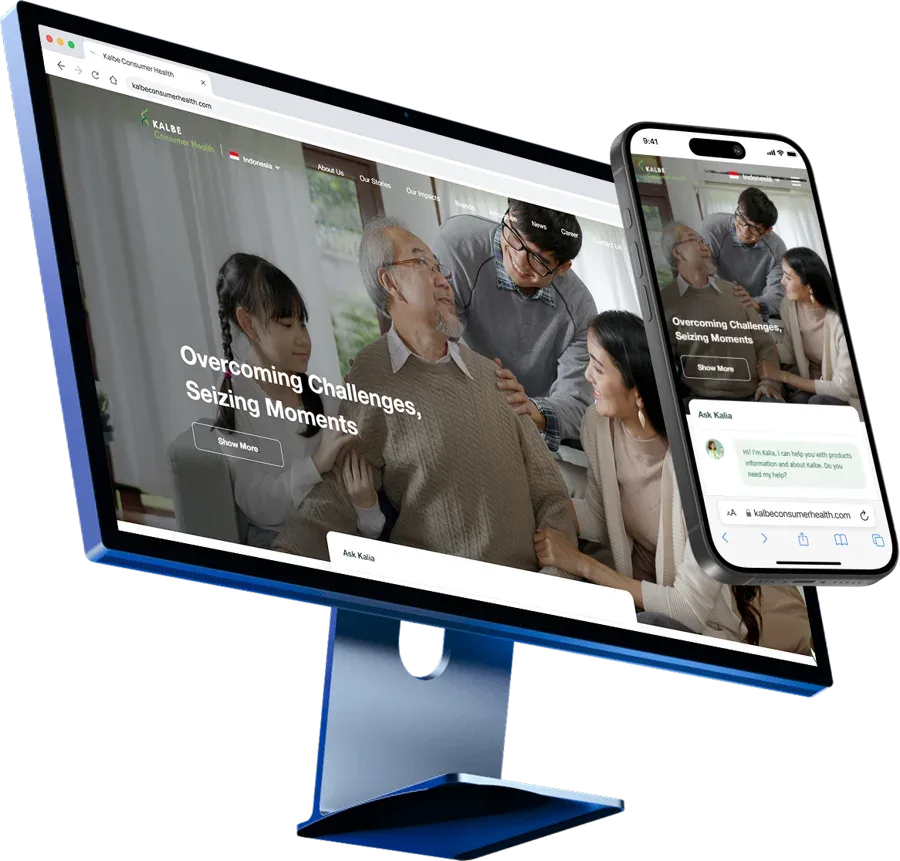
Research is an investment, not a report. After research and testing, Bahana Sekuritas registration became 62% faster, and Kalbe cut average search time by 66% on a website running in nine countries.
 Registration 62% fasterRevitalizing a stock trading app
Bahana Sekuritas8+ new features
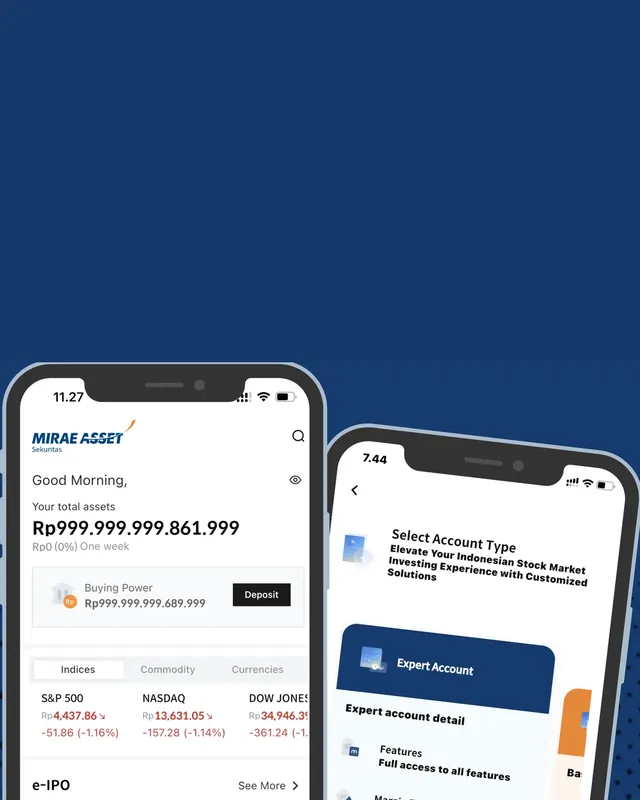 Tested by 30 traders firstPre-launch UX research for a trading app
Mirae Asset Sekuritas4.7 app rating
 One website, nine countriesOne website for nine countries
Kalbe Consumer Health9 countries launched
Planning a study? See how we run UX research or tell us what you need.
Frequently asked questions
How much does usability testing cost in Indonesia?
There is no single price. It depends on the number of user groups and participants, how hard they are to recruit, whether sessions are in person or remote, how many cities, and whether you also want redesign recommendations. A good agency scopes it with you first and sends a fixed proposal.
What is the cheapest way to start?
Test one critical flow, such as sign-up or checkout, with five to eight people from your main user group, remotely. You will usually find the biggest problems in that first round.
Is remote testing cheaper than in person?
Usually, because there is no venue or travel, and people in other cities are easier to reach. In-person sessions give richer observation, so many studies mix both.
Is a survey a cheaper alternative?
A survey tells you what people say, not what they do, so it can't replace watching someone use your product. Use both for different questions.
Sources
- Jakob Nielsen, “Why You Only Need to Test with 5 Users”, Nielsen Norman Group
- “Recruiting Test Participants for Usability Studies”, Nielsen Norman Group
- “Remote Usability Tests: Moderated and Unmoderated”, Nielsen Norman Group
Project figures from rekursiv. case studies
- Revitalizing a stock trading app Bahana Sekuritas
- Pre-launch UX research for a trading app Mirae Asset Sekuritas
- One website for nine countries Kalbe Consumer Health