Digital Worker Safety System: BLE Tracking, PPE Detection and Safety Dashboards
What a digital worker safety system is: BLE personnel tracking, AI PPE detection and a real-time safety dashboard for mining, offshore and industry.
In this article
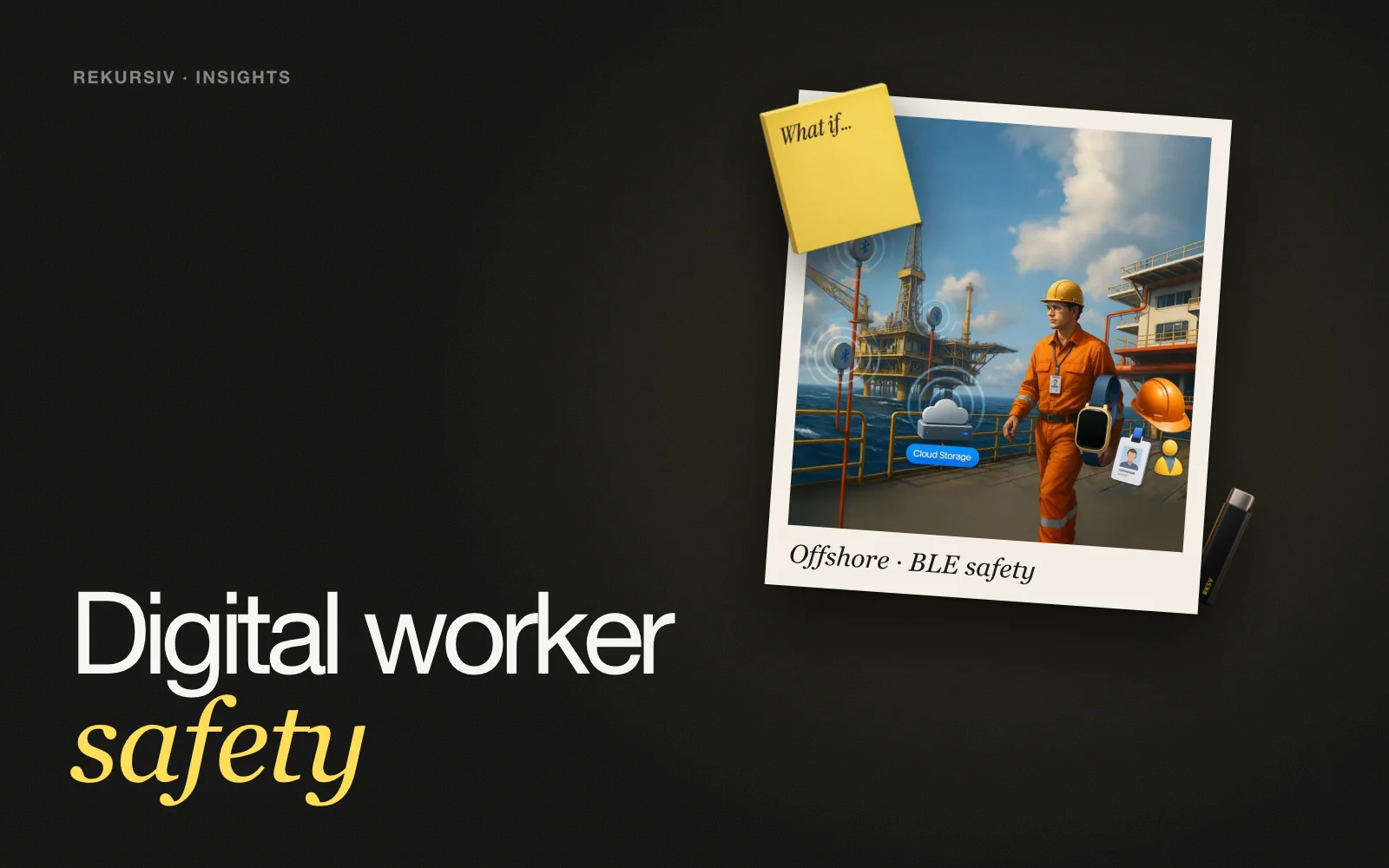
A digital worker safety system uses connected tools to show, in real time, where workers are and whether safety rules are followed. It usually has three parts: BLE personnel tracking, AI PPE detection and a safety dashboard that brings everything into one view for supervisors.
See our PPE detection AI service and dashboards and enterprise tools.
Why Move Worker Safety to Digital
Paper forms, radio calls and end-of-shift reports tell you what happened after the fact. A digital system gives safety teams the same information while the shift is still running:
- Where everyone is, including who is inside a restricted zone.
- Whether PPE is worn at the moment a worker enters a danger area.
- Which contractors are compliant, with documents checked before work starts.
- One shared view for site supervisors and senior management.
The Three Building Blocks
| Component | What it does | Typical use |
|---|---|---|
| BLE personnel tracking | Small tags on workers, gateways around the site, live location by zone | Headcount, muster points, access control |
| AI PPE detection | Cameras with computer vision check helmets, vests and gloves | Entry gates, danger zones, loading areas |
| Safety and compliance dashboard | Collects tracking, alerts and contractor data in one place | Daily monitoring, audits, management reports |
Each block works on its own, and they get stronger together. A PPE alert means more when the dashboard also shows which zone it came from and who was nearby.
How It Works on Site
- Map the zones. Mark safe areas, restricted areas and danger zones on a site plan.
- Tag the workforce. Give each worker or contractor a BLE tag linked to their profile.
- Place gateways and cameras. Gateways cover the zones; cameras cover entry points where PPE must be checked.
- Set the rules. Define who may enter which zone and what gear each zone requires.
- Send alerts. Notify supervisors when someone enters a zone without access or without the right PPE.
- Review on the dashboard. Track trends, compliance and incidents over days and weeks.
What We Built for Real Sites
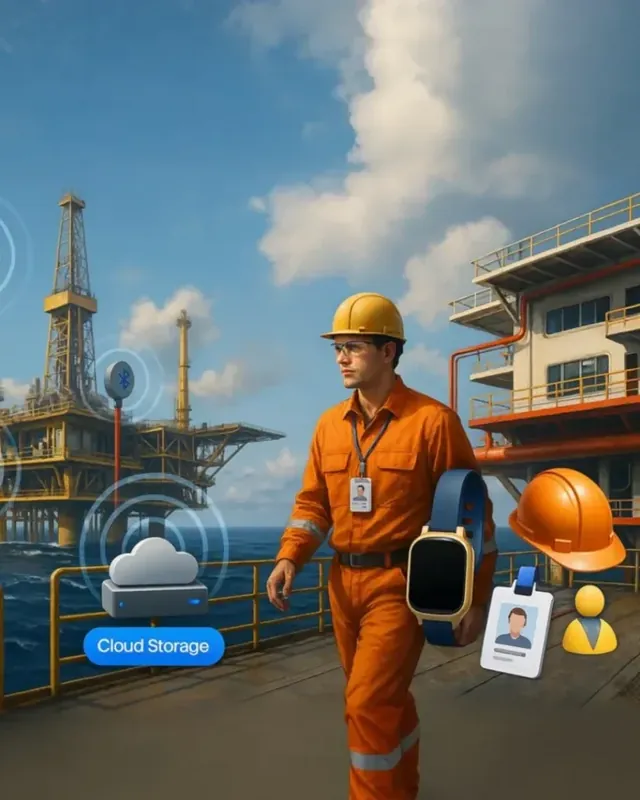
Offshore operations. Offshore crews need to be visible and safe at all times. We built a BLE-powered, ATEX-certified system for real-time personnel tracking, smart access control and predictive safety insight. ATEX certification matters here because the equipment runs in areas with explosive atmospheres.
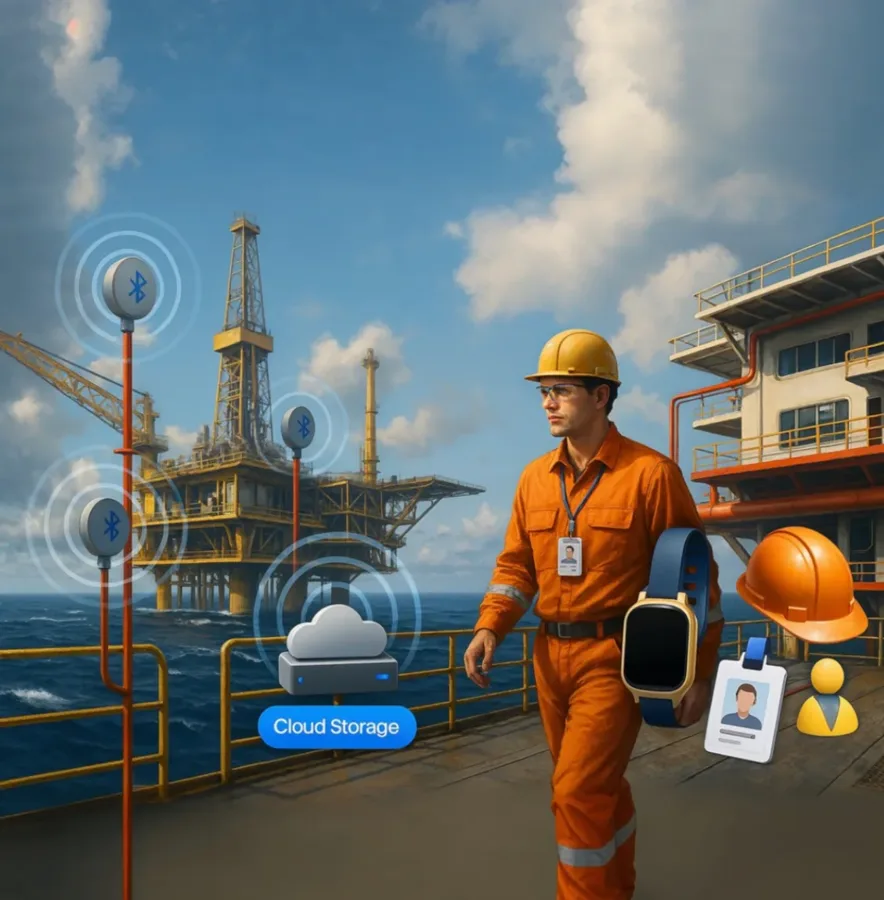 Offshore operationsSee the project →
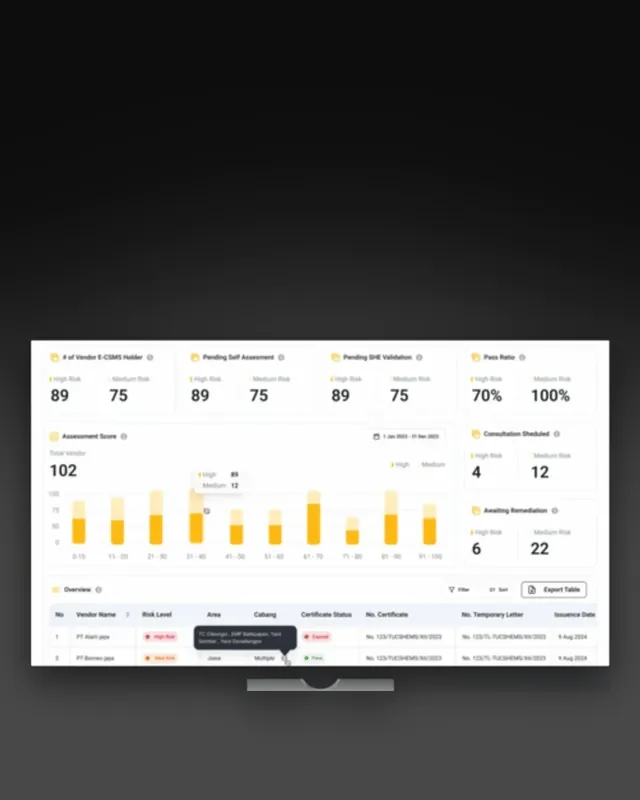
Trakindo e-CSMS. Contractor safety checks ran on manual forms and email threads, with no real-time view. We designed and built a real-time dashboard for contractor safety management: compliance tracking, document checks and a clear overview for senior management. The work covered the dashboard, UX/UI design and web development.
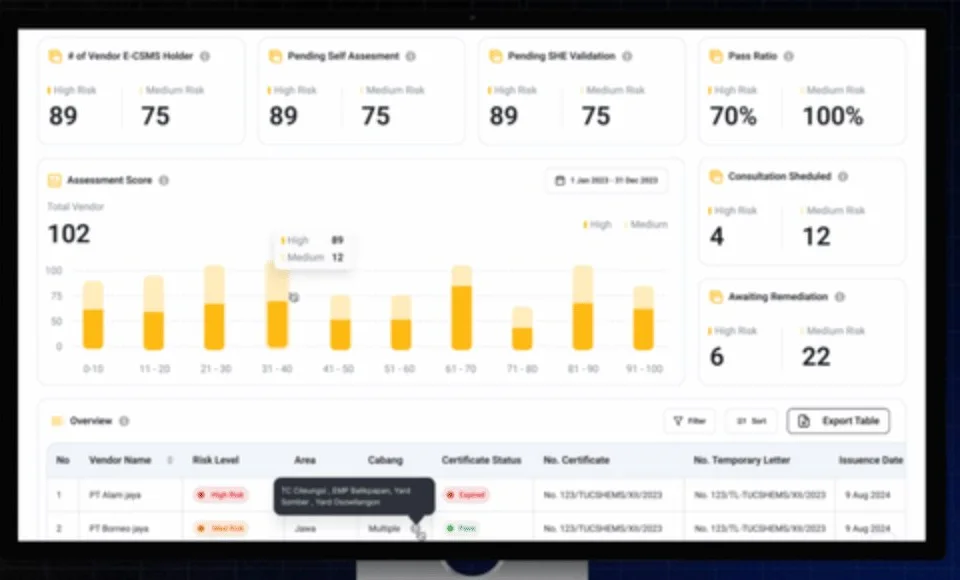 TrakindoSee the project →
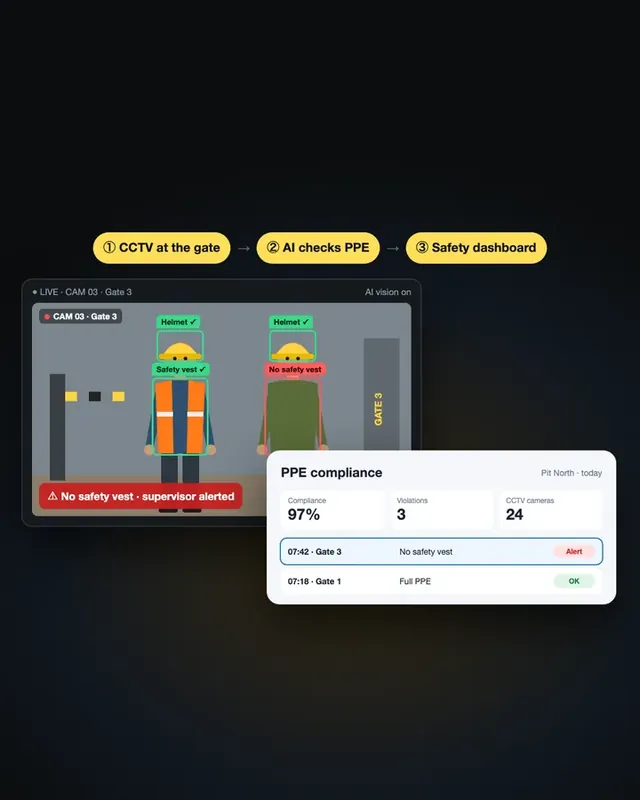
Mining PPE detection. In a mine, one missing helmet or vest can cost a life. Our computer vision system checks in real time that helmets, vests and gloves are worn properly before anyone steps into a danger zone.
MiningSee the project →What to Plan for
- Coverage. Gateway and camera placement decides what the system can see. Survey the site first.
- Hardware rating. Hazardous areas need certified devices, such as ATEX for explosive atmospheres.
- Connectivity. Remote sites may need local processing so alerts keep working when the network is slow.
- Privacy. Tracking and camera data is personal data; tell workers what is collected and why, and limit access to the dashboard.
- Adoption. Involve supervisors early so alerts fit how they already work.
How to Start
- Pick one site and one risk to solve first, such as PPE at a single gate or headcount in one zone.
- Run a short pilot and compare the alerts with what supervisors see on the ground.
- Add the dashboard, then extend tracking and detection to more zones.
Want to plan a pilot for your site? Contact us.
Frequently Asked Questions
What is a digital worker safety system?
A digital worker safety system is a set of connected tools that track where workers are, check that safety rules are followed and show it all on a real-time dashboard. Common parts are BLE personnel tracking, AI PPE detection and a safety and compliance dashboard.
How does BLE worker tracking work?
Each worker carries a small Bluetooth Low Energy (BLE) tag. Gateways around the site pick up the signal, so the system knows which zone each person is in and can support access control and headcounts.
How does AI PPE detection work?
Cameras watch entry points or work areas, and computer vision checks in real time whether each person wears the required gear, such as a helmet, vest and gloves, before they step into a danger zone.
What does a safety dashboard show?
It brings safety data into one view: who is on site and where, PPE alerts, contractor compliance status and document checks, with summaries for supervisors and senior management.
Is a digital safety system suitable for hazardous areas?
Yes, when the hardware is certified for it. For offshore and other explosive atmospheres, devices are usually required to be ATEX certified.
Sources
Project figures from rekursiv case studies
- Offshore safety with BLE Offshore operations
- e-CSMS safety & compliance dashboard Trakindo
- AI safety gear (PPE) detection Mining