UX Research vs Surveys: Which One Do You Need?
Surveys tell you what people say; UX research shows what they do. When to use each, how to combine them, and real examples from studies in Indonesia.
In this article
"Can't we just send a survey?" is one of the most common questions before a research project. Sometimes yes. But a survey and UX research answer different questions, and picking the wrong one is how teams end up confident and wrong.
See how we use both in our UX research services.
The difference in one line
A survey measures what many people say. UX research shows what people do, and why.
| Survey | UX research (tests, interviews, field) | |
|---|---|---|
| Answers | How many? How satisfied? | Why? Where does it break? |
| People | Many (dozens to hundreds) | Few, carefully chosen |
| Data | What people report | What people actually do |
| Best for | Sizing and comparing | Finding and fixing problems |
| Risk | Asking the wrong question at scale | Reading too much into a few people |
When a survey is the right tool
- You need to know how many people share a need or problem
- You want to compare segments, regions or customer types
- You already know what to ask, because research found it first
When you need UX research
- Sign-ups or conversions dropped and you don't know why
- You are about to launch or redesign and want to catch problems first
- People say the product is fine, but the numbers say otherwise
People say the app is easy. Then they try to use it.
Better together
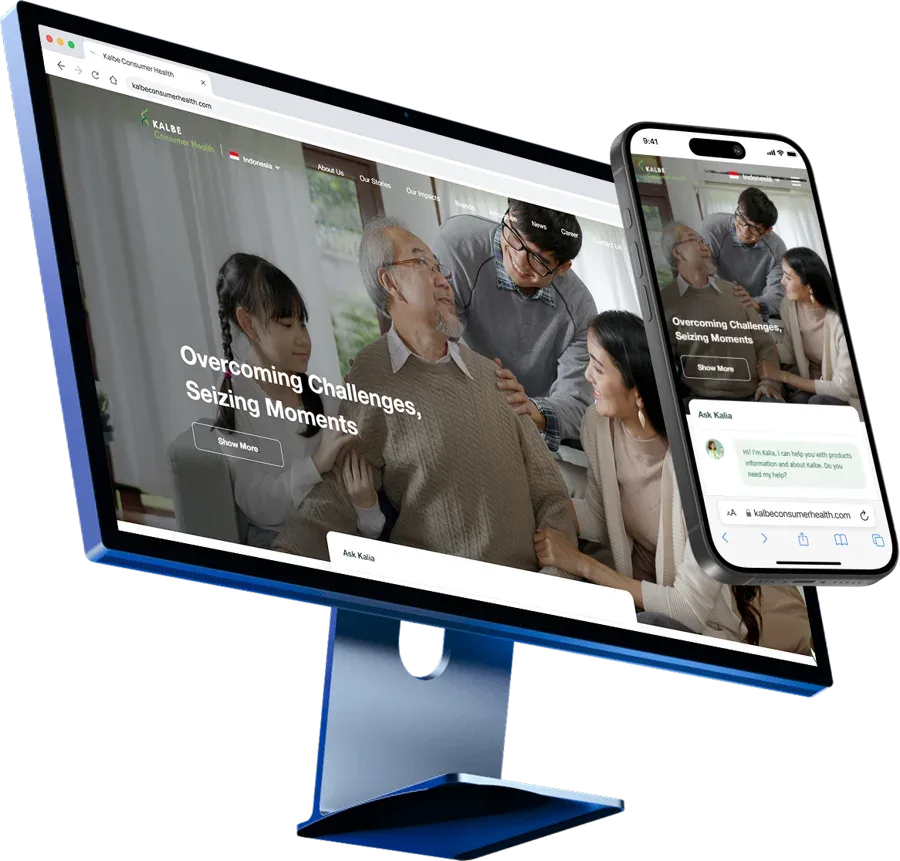
The strongest studies use both. For one brand that wanted to grow beyond Jakarta, we ran interviews and spent days at events in Medan to understand the audience, then surveyed 288 people nationwide to see how widely those findings held. For Kalbe, research across nine countries led to a website where average search time fell by 66%.
 One website, nine countriesOne website for nine countries
Kalbe Consumer Health9 countries launched
 Growing a virtual worldGrowing the #JelajahDigital virtual world
Telkomsel+251% new visitors
 Research beyond JakartaReaching audiences beyond Jakarta
Adult FMCG brand · Under NDA288 people surveyed
Not sure which one you need? Tell us the question and we will suggest the lightest method that answers it, or read how we run UX research.
Frequently asked questions
Is a survey enough to improve my app?
Rarely on its own. People often say an app is easy and then get stuck on a simple task. A survey can tell you how many people feel something; usability testing and interviews show where and why it happens.
When should I use a survey?
When you need numbers across a large group: how many people use a feature, how satisfied they are, or which segment is biggest. It works best after interviews have shown you the right questions to ask.
When should I use UX research?
When you need to know why people drop off, where a flow breaks, or what they really need. Usability tests, interviews and field visits answer those questions with a small number of the right people.
Can the two be combined?
Yes, and that is often best. In our studies we have used interviews and field visits to find the issues, then surveys of up to 288 people to see how widespread they are.
Sources
- Christian Rohrer, “When to Use Which User-Experience Research Methods”, Nielsen Norman Group
- “Quantitative User-Research Methodologies: An Overview”, Nielsen Norman Group
- Jakob Nielsen, “Why You Only Need to Test with 5 Users”, Nielsen Norman Group
Project figures from rekursiv. case studies
- One website for nine countries Kalbe Consumer Health
- Growing the #JelajahDigital virtual world Telkomsel
- Reaching audiences beyond Jakarta Adult FMCG brand · Under NDA