
Research & Strategy · Usability testing · Jakarta
Usability testing services in Indonesia that show you where users get stuck.
We watch real users try real tasks on your app or website, then hand you a ranked list of what to fix first, with the design to fix it.
Teams we’ve worked with







What’s Included
Moderated Usability Testing
A researcher guides each session in person or on a call, and asks why people do what they do.
Remote & Unmoderated Tests
Participants test on their own phones at home, so you see behaviour at scale and in other cities.
Recruitment That Matches Your Users
We screen for the people who actually use your product: traders, corporate clients, first-time users, regions outside Jakarta.
Sessions in Bahasa Indonesia
Moderated by our own team in Bahasa Indonesia or English, with recordings and notes you can watch back.
Metrics, Not Opinions
Task success, time on task, errors and satisfaction, so you can compare before and after a redesign.
Fixes and a Re-Test
A severity-ranked list of issues, the redesigned flow, and a second round to prove it works.
Results from Our Projects
62%faster registrationBahana Sekuritas
92%faster product findingBahana Sekuritas
−66%average search timeKalbe, 9 countries
4.7app rating after launchMirae Asset Sekuritas
Usability Testing, Explained
What Is Usability Testing?
Usability testing means watching real people use your product to complete real tasks, such as signing up, finding a product or making a payment, and recording where they hesitate, make mistakes or give up. It shows what people do, which is often different from what they say in a survey.
When Should You Test?
- Before you build: test a prototype, when changes are still cheap.
- Before launch: check the key flows with people who match your users.
- After launch: when the data shows a drop-off you can’t explain.
- Before a redesign: to know what to keep and what to fix.
How Many Participants Do You Need?
For one user group, five to eight participants usually show the main problems clearly. If your product has several groups, such as beginners and active traders, test each group. For our clients the numbers ranged from 10 corporate-client participants for a bank’s cash management system to 30 participants across traders, investors and beginners for a trading app.
What You Get at the End
- A severity-ranked list of issues, with clips from the sessions.
- Metrics per task: success, time, errors and satisfaction.
- Recommendations, and when you want it, the redesigned flow from our designers.
- A second round of testing to prove the fix works.
What Drives the Cost
The scope, not a fixed package: how many user groups, how many participants, how hard they are to recruit, moderated or remote, how many cities, and whether you want the redesign too. We scope every study after a short call, and keep it lean by starting with the one flow that matters most.
Types of Usability Test We Run
Moderated Testing
One participant, one researcher, live. Best when you need to understand why.
Unmoderated Testing
Participants complete tasks on their own, recorded. Best for reach and speed.
Think-Aloud Interviews
People say what they think while they use the product, so hesitation becomes visible.
Field Testing
Tests in the place the product is used: a store, a branch, a station, at home.
Expert Review
A heuristic evaluation by our researchers, ranked by severity, before or alongside user tests.
Eye Tracking & Heatmaps
Where people look first and where they click and scroll, shown as heatmaps on your screens.
Benchmark Tests
The same tasks measured before and after a redesign, to show what changed.
Accessibility Checks
Contrast, text size and flows checked for people who use the product in hard conditions.
Why Test with rekursiv.
Researchers Who Also Design and Build
The team that runs your study can redesign the flow and build it, so findings don’t get lost in a hand-over.
Beyond Jakarta
Remote sessions across Indonesia and field tests in other cities, so you hear from your whole market.
Local Language, Local Context
Sessions in Bahasa Indonesia with participants recruited to match your real users.
Proven in Regulated Products
Banks, securities, insurance and public services, where a confusing flow costs money and trust.
Industries: Banking & financeSecurities & tradingInsurancePublic services & SOEsTelcoE-commerceConsumer health
How a Usability Study Runs
- 01Plan the questions that matter to the business, the tasks and who to ask.Test plan & tasks
- 02Recruit participants who match your real users.Screened participants
- 03Test moderated or remote sessions, all recorded.Recordings & notes
- 04Measure success, time, errors and satisfaction per task.Scorecard
- 05Fix a ranked list, the redesign and a re-test.Ranked fixes & design
Projects
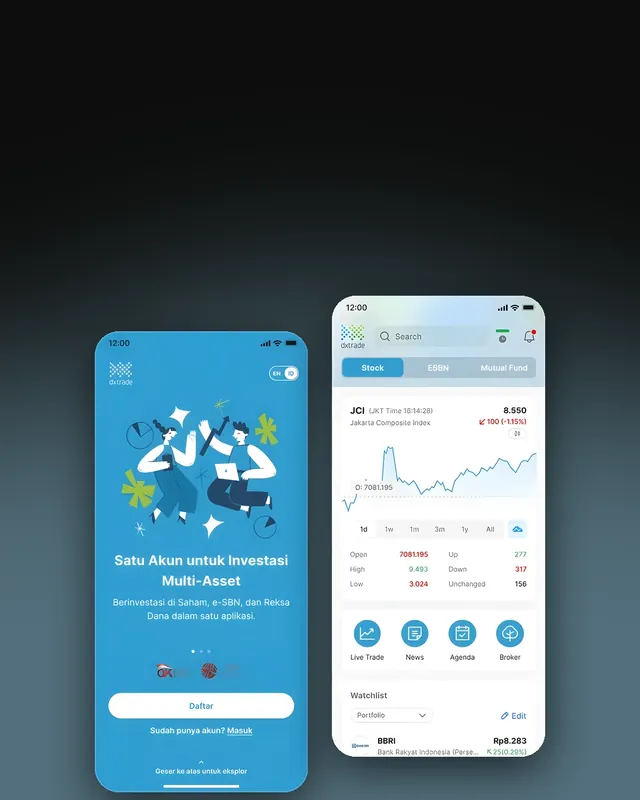 Registration 62% fasterRevitalizing a Stock Trading App
Bahana Sekuritas8+ new features
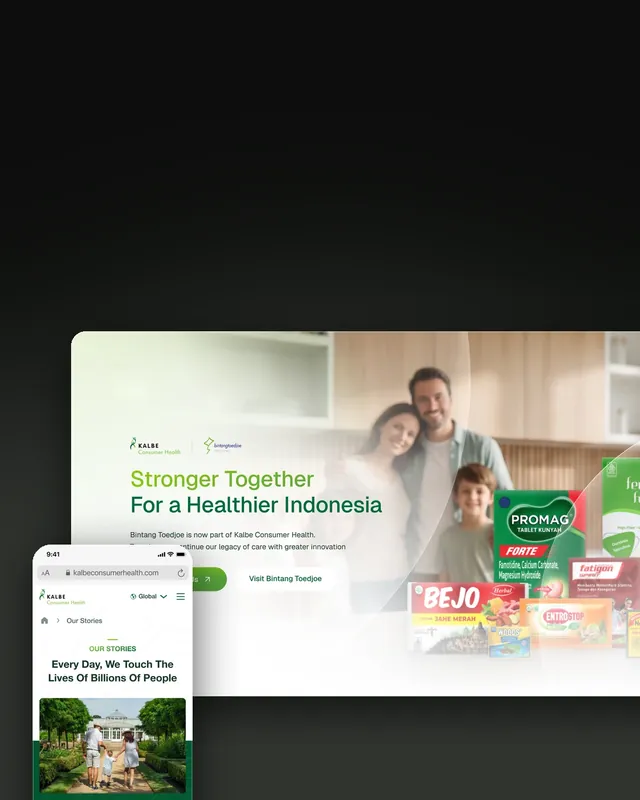 One website, nine countriesOne Website for Nine Countries
Kalbe Consumer Health9 countries launched
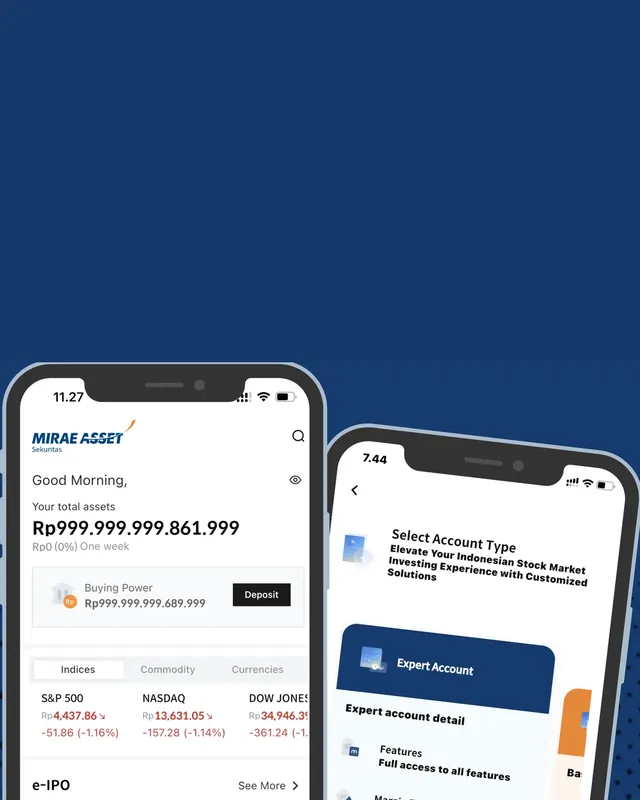 Tested by 30 traders firstPre-Launch UX Research for a Trading App
Mirae Asset Sekuritas4.7 app rating
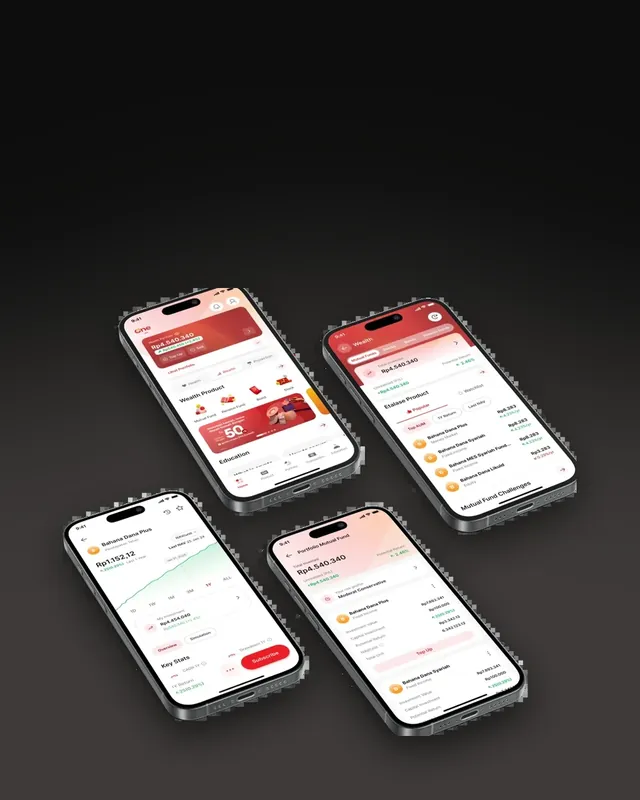 75K users in 8 monthsOne by IFG, an All-in-One Finance App
IFG75K users in 8 months
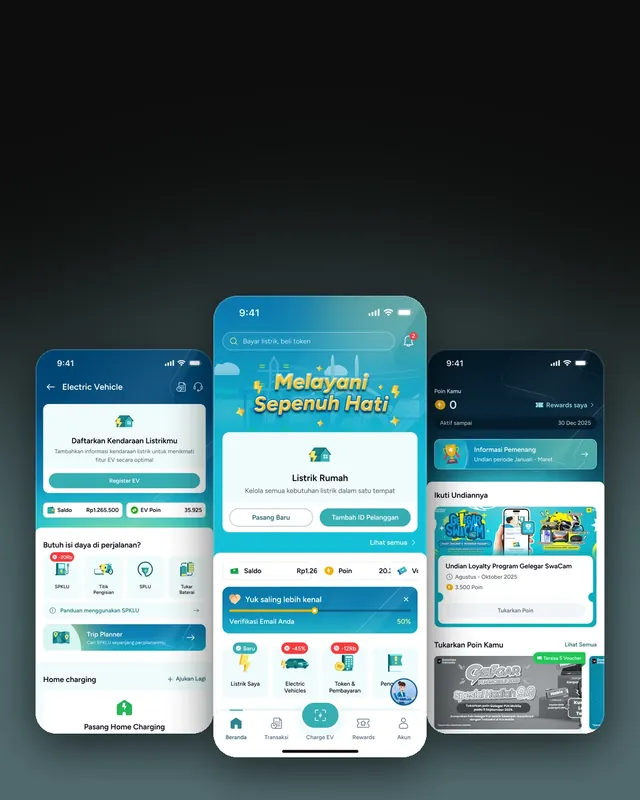 Revamping a super appRevamping the PLN Mobile Super App
PLN8 personas, usability-tested across Indonesia
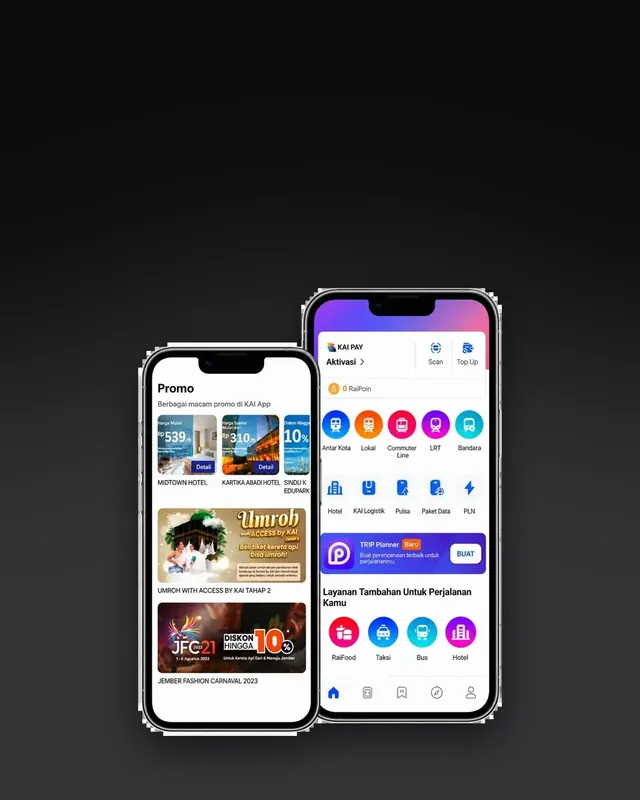 Testing Access by KAIUsability Testing for Access by KAI
KAI
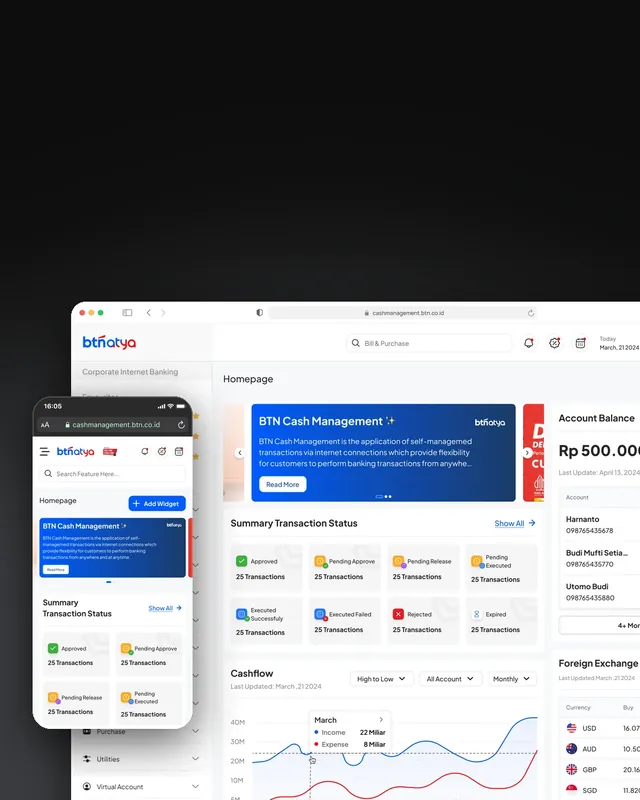 Cash management, made clearBTN Cash Management System
Bank BTN
 Segmentation to redesignFrom Segmentation to a Tested Redesign
Adult lifestyle e-commerce · Under NDA157 people tested & interviewed
Frequently Asked Questions
What is usability testing?
Usability testing is watching real users complete real tasks on your app or website, and recording where they hesitate, make mistakes or give up, so you know exactly what to fix.
How much does usability testing cost in Indonesia?
It depends on the scope: the number of user groups and participants, how hard they are to recruit, moderated or remote, the number of cities and whether you want the redesign. We scope each study after a short call.
How many participants do we need?
Usually five to eight per user group. If you have several groups, such as beginners and active traders, we test each one.
Can you test with users outside Jakarta?
Yes. We run remote sessions across Indonesia and field tests in other cities.
Do you test prototypes or live products?
Both. Testing a prototype before development is the cheapest time to find problems; testing a live product shows where real users drop off.
Can you recruit participants for us?
Yes. We screen for people who match your users, or we test with your own customers if you prefer.
What’s the difference between usability testing and a survey?
A survey tells you what people say; a usability test shows what they do. Most teams need both at different moments.
Do you also redesign what you find?
Yes. Our designers and developers turn the findings into the fixed flow, then we test it again.
Do you sign NDAs?
Yes. Several of our studies are under NDA, and we only show them by industry, method and scale.
Read More
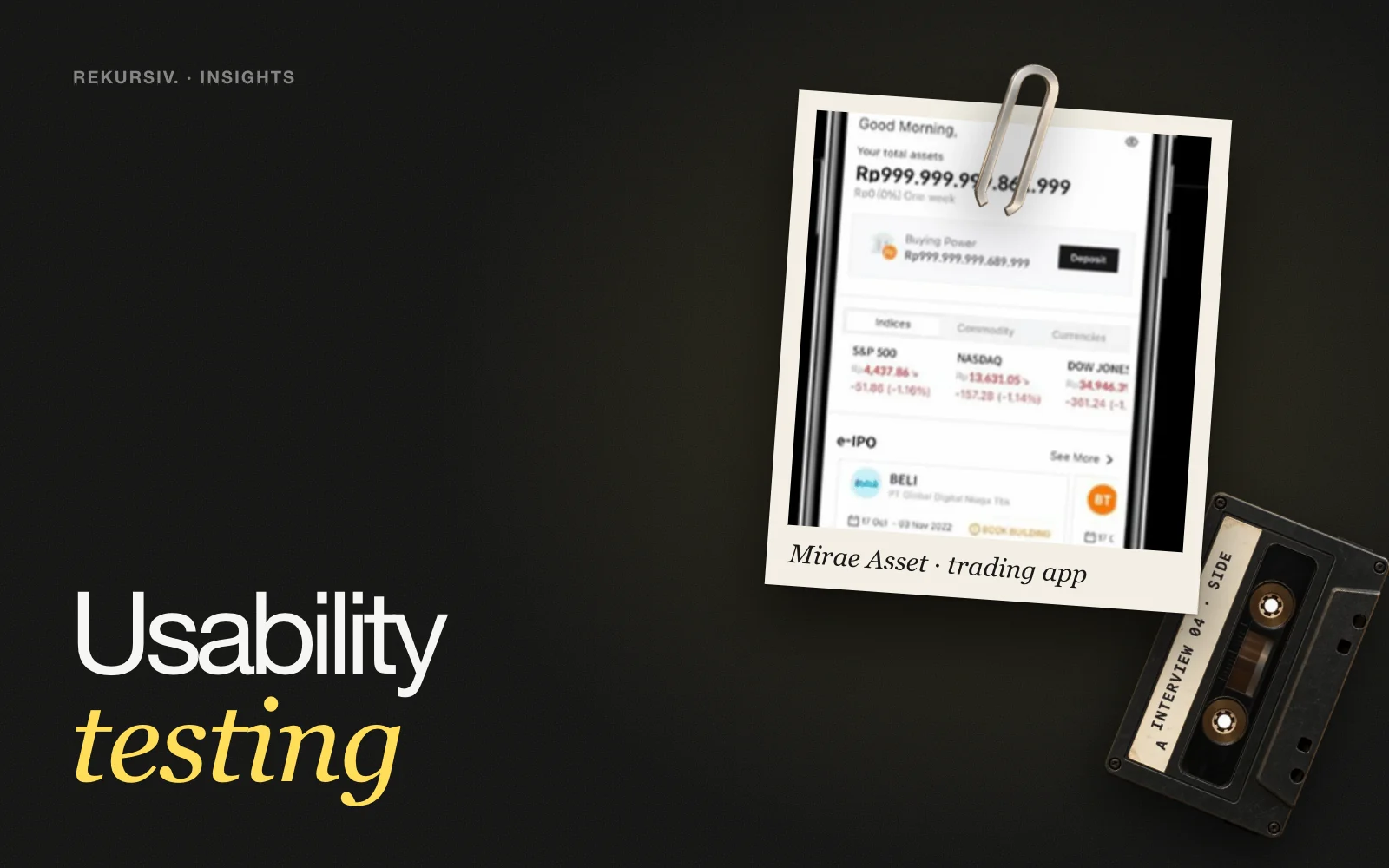 Research & UXUsability Testing: A Practical Guide for Product Teams in IndonesiaWhat usability testing is, when to do it, how many participants you need, the steps, and real results from finance apps and brand websites in Indonesia.
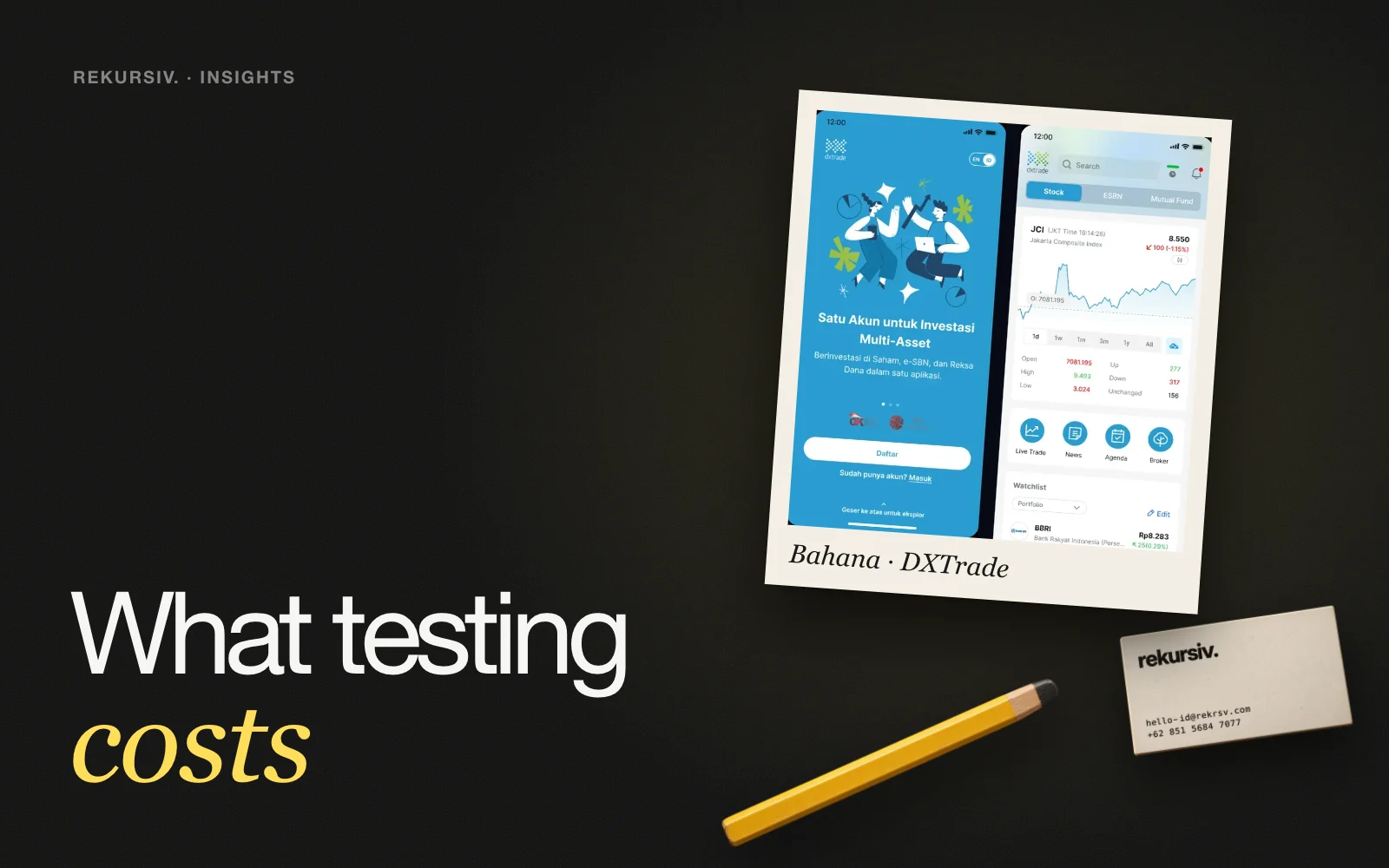 Research & UXWhat Drives the Cost of Usability Testing (and How to Keep It Lean)The factors that set the price of a usability test: user groups, participants, recruitment, method, cities and what you get at the end. Plus how to keep a study lean.
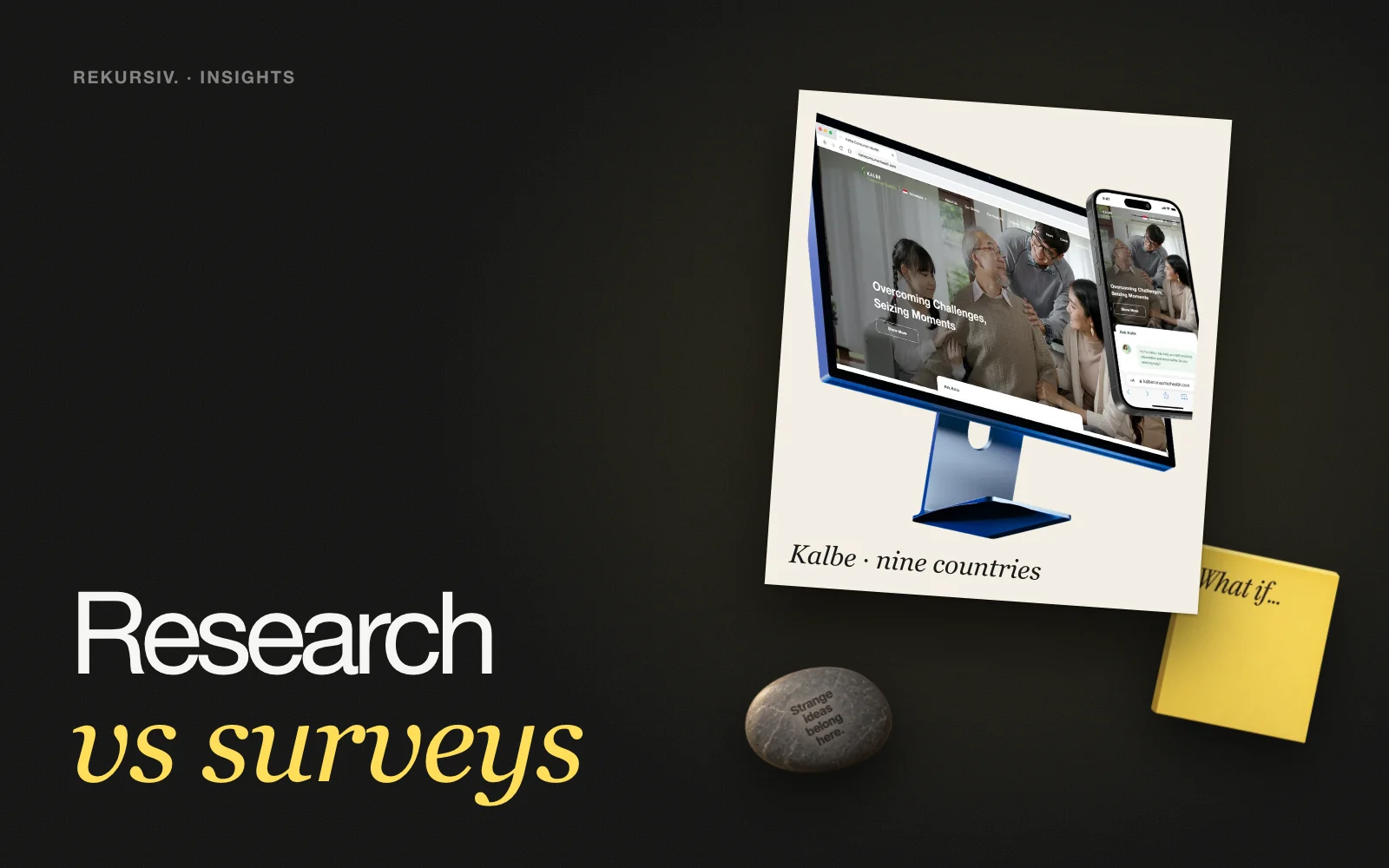 Research & UXUX Research vs Surveys: Which One Do You Need?Surveys tell you what people say; UX research shows what they do. When to use each, how to combine them, and real examples from studies in Indonesia.
Next step